
There are great concrete buttresses at my back holding up a lantern of light in the church behind me. I’m sitting on concrete steps, staring at one resilient weed working its way through a crack. Little survivor. I come here for the huge sky: tall river-meets-sea light, gulls wheeling and screaming, silvering the air, and the smell of all those far-off places I’ve never been to, swept briskly up here by the winds off the huge river. Close your eyes, you could be anywhere. It’s magic.
And I could do with some magic.
Mixed marriages never work, they said, tutting, all those years ago. But we were sure it would. We had hope. So cock-sure. I never converted and he was not bothered - but two religions, we discovered, do not jog along together. At the end, when he was so ill, I found myself excluded from everything: his relatives blocked me out as if I didn’t exist and never had. They took over his care and cut me out. His illness was long and painful, enough sorrow and heartbreak without being cold-shouldered by his family. After his death, I found myself facing a widow-hood strange, harsh, and lonely. None of them came to see me, none of them ever phoned to see how I was doing. I felt so excluded by them; even at his funeral I was not permitted to read his favorite poem by the graveside at the interment. And that has made going on with life tough.
But I try not to be bitter. Time passes. You creep out of the cracks again, like that weed growing near my feet. You go on.
That’s why I come here. It’s a place where, when I close my eyes, I could be anywhere in the world. It’s a place where I can focus on remembering him. And it’s the one place where I am not likely to meet any of them. And that in itself is worth everything.
-Gill McEvoy
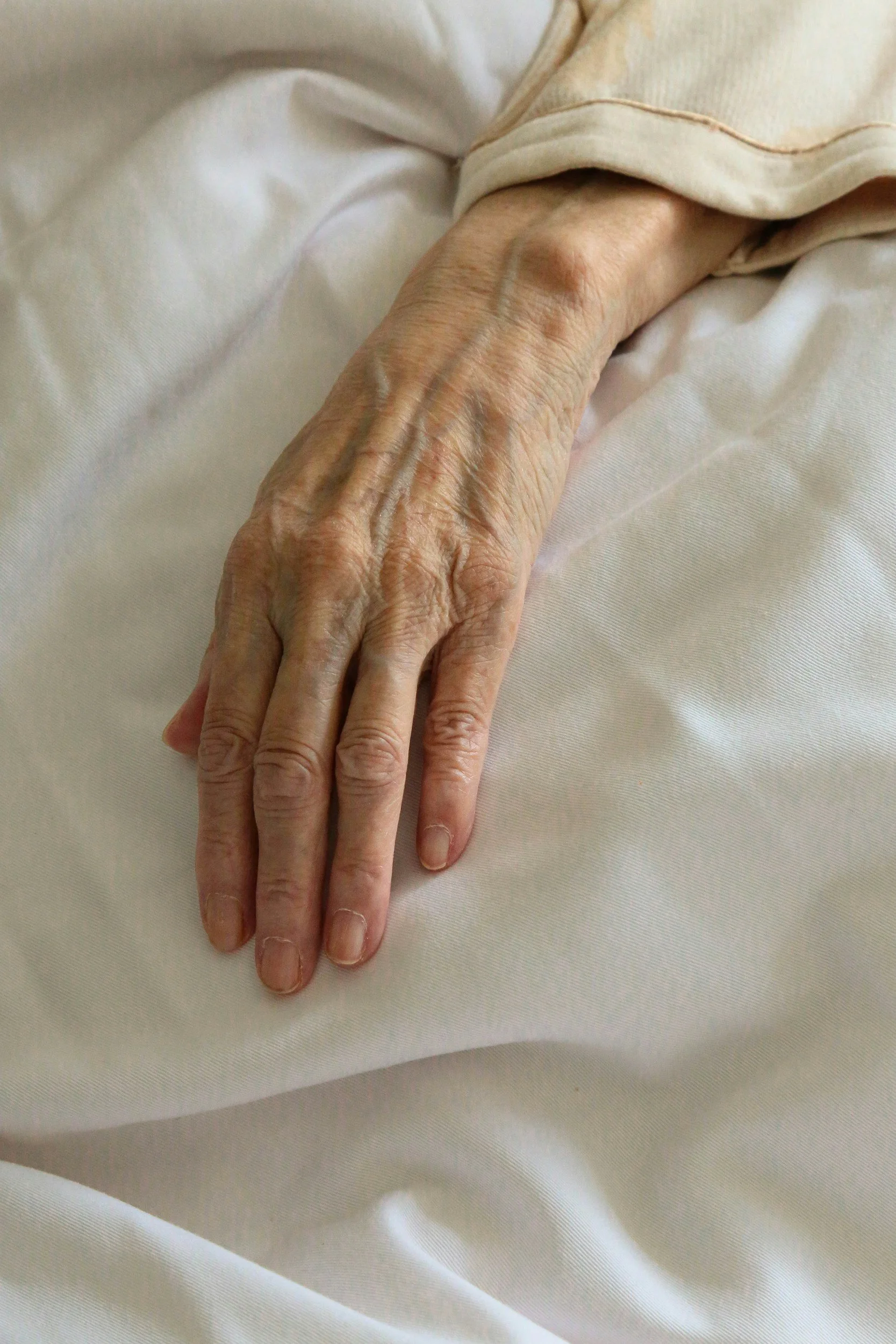
Of all the memories that I have of my great great grandmother from the first thirteen years of my life, the one that I remember most of all occurred in the tiny kitchen of her small home, tucked away in the orchards of Live Oak. I was in sixth grade, and she was teaching me how to sweep the right way, a skillset that my mother had still yet to properly impart upon me; she was too busy smoking weed and sleeping with her latest boyfriend.
I was in the kitchen cleaning up after dinner when I heard the glass shatter. I simultaneously took a deep breath, closed my eyes, and waited for the inevitable outburst.

I was deceived by the feel of her supple cheek that day after she died. She was like a green limb reaching for the sun, severed at the whim of the wind, the tree’s canopy of little protection. When illicit Oxy’s calming wind blew into her veins did she suddenly realize what she consumed was coated in fentanyl poison? Was it like being in the eye of the hurricane where there is calm for a moment before chaos takes over or was it like floating away on her favorite pair of Nike Airs™?
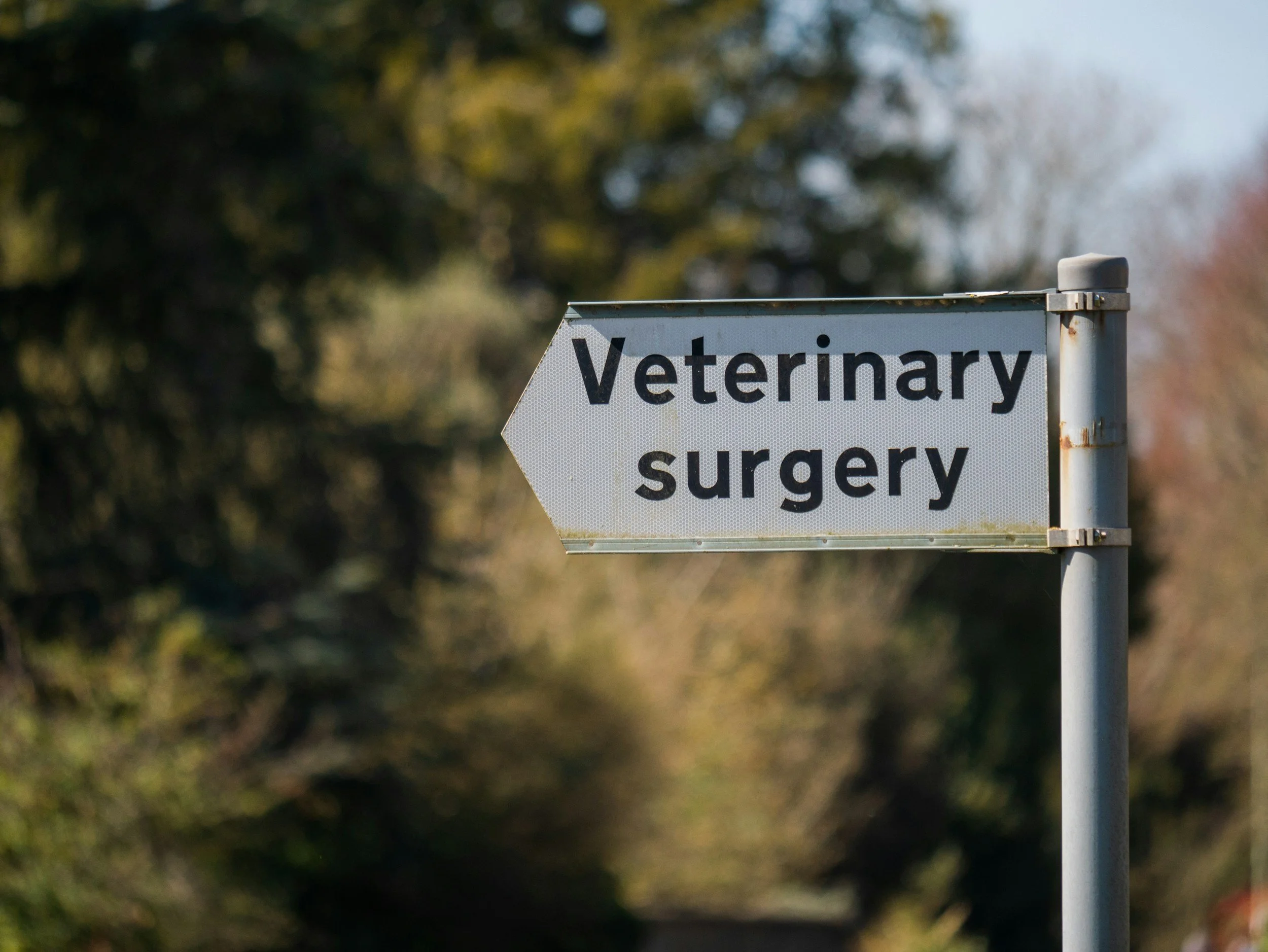
The phone rings. I see the vet clinic’s number and my throat goes dry. I feel a jolt of anxiety. Although there can be no more bad news, I don’t want to talk to them. I just want all this to go away, to be one of my nightmares. “Mosi’s ashes are ready for pickup,” says the receptionist softly.

I thought about writing this story as fiction: two women, a later-in-life, larger-than-life friendship that changes both of them, a sudden fatal illness. Fiction can fix the broken, prevent the disaster, turn around the inevitable. The child can be saved. The bad guys can be caught. The terminal patient can beat all odds. By choosing fiction, I could change the ending of our story, Diana’s and mine. I could keep her alive. But no. If I did that, it wouldn’t be our story anymore.
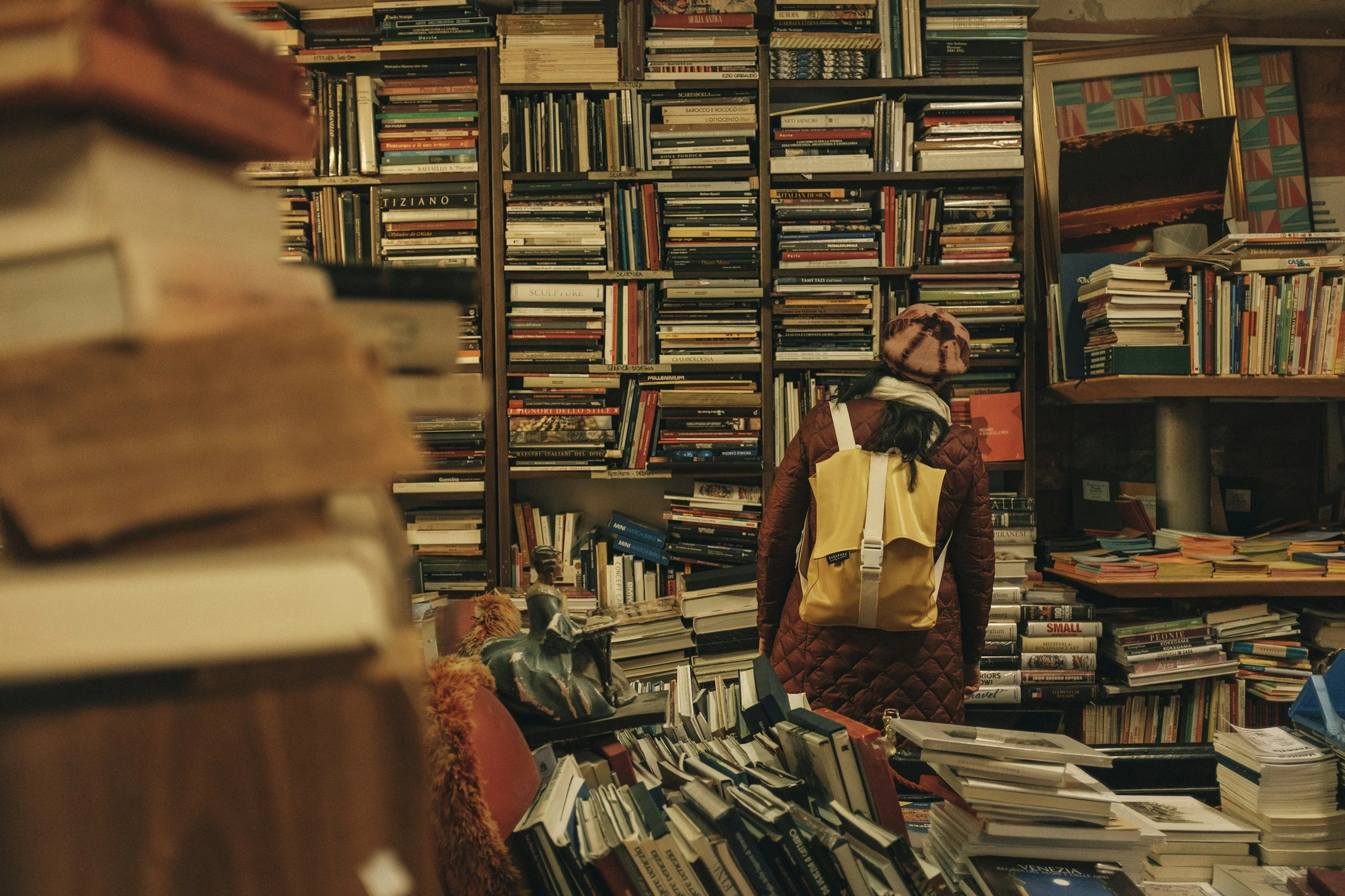
On the day after Thanksgiving 2022, I dragged my husband to a thrift shop outside Boston to look for a book I'd donated nearly twenty years ago. It started as a Twitter dare the week before. I was chatting with some pals about a book an ex-boyfriend gave me when I was twenty and we were at the height of a love affair that lasted seven years. My ex died in February, and I was having a hard time talking about it; most people didn't seem to understand why I was so upset about the death of a guy I broke up with so long ago. The easiest thing to do, sometimes, was to play it for laughs; at least that way I got to talk about it a little, with strangers who didn't know me well. "Why don't you go look for it?" someone said. "You never know, and it'll be a great story if you find it."

My mother’s eyes registered my arrival, but without her dependable smile. The bones of her face were sharp and craggy, her nose slightly humped from a childhood fall, her eyes blue and deeply set. Tita, who cared for her, had dressed her in her brightest blouse and hung a necklace round her neck. Mom was crooked in her chair and not pretending, while a cheerful string of rainbow-colored letters on the mantle shouted happy birthday for her eighty-ninth and last.

“Dear Poo, I’m sorry I’m writing this in a letter, I just couldn’t bring myself to tell you face to face…”
We’d been in our new house just a couple of weeks when my dad—Da—left a letter and, with it, left us. He was gone. And none of us knew what gone meant. Mom couldn’t tell me where he went or why. She called Grandma to try to decipher his note. Whatever sense they made of it wasn’t shared.
When my ex-husband told me his father was dead, he said it casually. The way you'd mention an alma mater, or that you'd lived abroad for a while.
"My dad died five years ago," he said. We were at work, in a courtroom with no privacy, dressed in our lawyer suits. He reached down to tug up his socks when he said it. I remember searching for significance in how he announced his tragedy while adjusting his outfit. It made me wonder if his father's death was an easy thing to bear. Or if it were so painful he needed to reveal it in the bright bustle of a courtroom, with busied hands. He usually seemed so guarded.
I laughed when they called to schedule it, when I put it in my calendar over the faint traces of where you’d been. I’m not surprised. This much I’ve learned about grief—that it’s cruel in how it compounds, strata over strata of reddened rock.