
My mother’s eyes registered my arrival, but without her dependable smile. The bones of her face were sharp and craggy, her nose slightly humped from a childhood fall, her eyes blue and deeply set. Tita, who cared for her, had dressed her in her brightest blouse and hung a necklace round her neck. Mom was crooked in her chair and not pretending, while a cheerful string of rainbow-colored letters on the mantle shouted happy birthday for her eighty-ninth and last.
I kissed her, gave her the card I carried, and went to get her glasses. When I returned, she’d read the card, and her face was softened with the shadow of a smile. Her eyes brimmed with tears. I wondered how she could read, when so much gone, and without her glasses.
I took her hand. We sat wordlessly. I, because I couldn’t think of what to say, and she, because her words had gone away. We gazed at flowers blooming pink outside the window. I named them for her, who had always known their names.
“Rhododendrons.”
She said something like, “I never heard of rhododendrons…,” and then her thought was lost in the dollar-sized chunk of brain vanquished by the stroke last May that stole her words.
I filled in, “…until you came to Seattle? You and Dad, my dad.”
My dad, I said, because she spent her days watching for her dad to come for her.
She looked puzzled. I moved back in time.
“Remember? He didn’t want to move here. But when you visited us that summer, you could see we needed help with the kids.” I added their names as landmarks. She nodded, her eyes on me.
“You moved from Chicago with a huge truck, cause Dad, my dad, couldn’t leave anything behind.” Her eyes flickered at Chicago. I searched further back to give her footing.
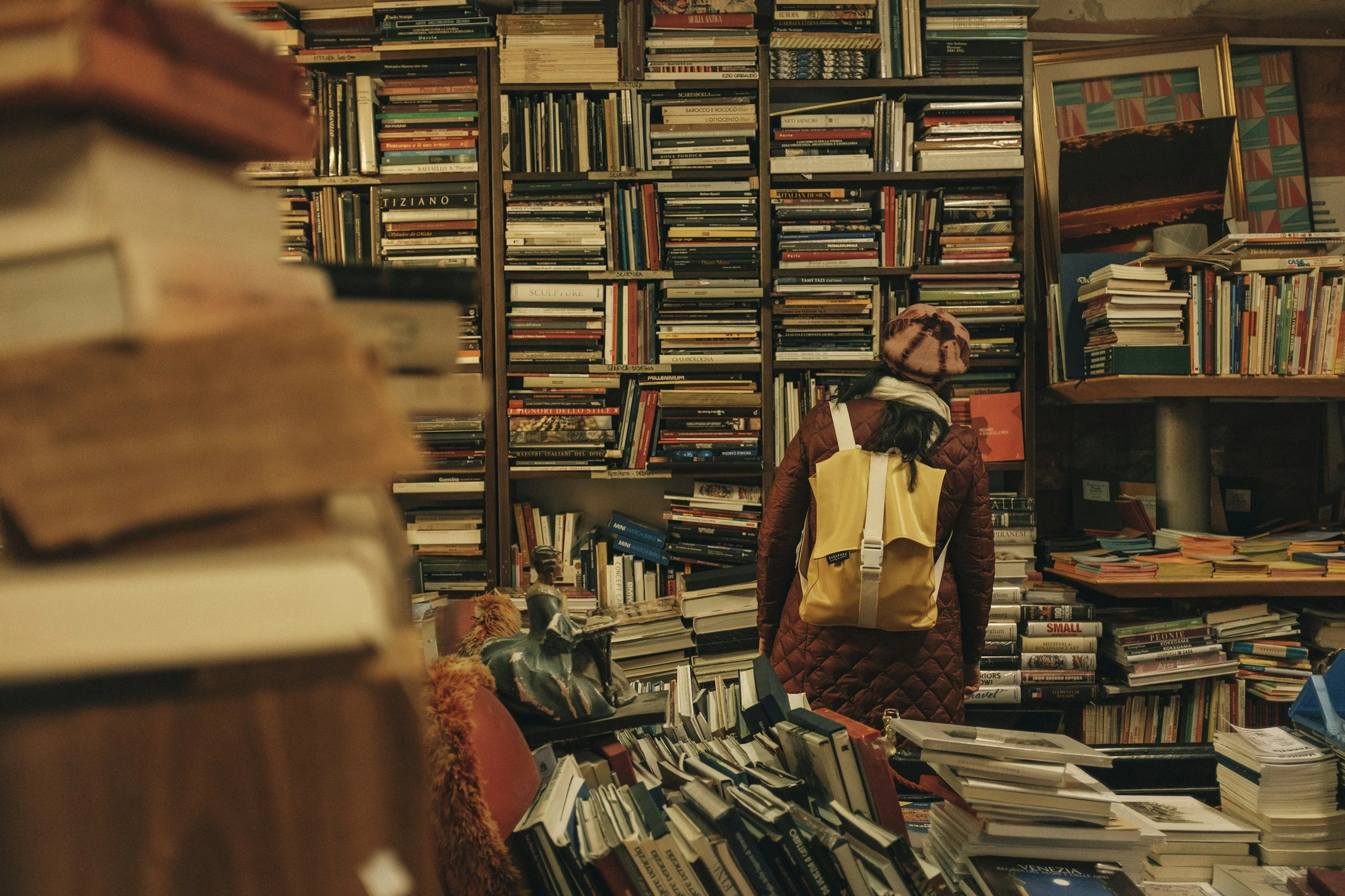
On the day after Thanksgiving 2022, I dragged my husband to a thrift shop outside Boston to look for a book I'd donated nearly twenty years ago. It started as a Twitter dare the week before. I was chatting with some pals about a book an ex-boyfriend gave me when I was twenty and we were at the height of a love affair that lasted seven years. My ex died in February, and I was having a hard time talking about it; most people didn't seem to understand why I was so upset about the death of a guy I broke up with so long ago. The easiest thing to do, sometimes, was to play it for laughs; at least that way I got to talk about it a little, with strangers who didn't know me well. "Why don't you go look for it?" someone said. "You never know, and it'll be a great story if you find it."

My mother’s eyes registered my arrival, but without her dependable smile. The bones of her face were sharp and craggy, her nose slightly humped from a childhood fall, her eyes blue and deeply set. Tita, who cared for her, had dressed her in her brightest blouse and hung a necklace round her neck. Mom was crooked in her chair and not pretending, while a cheerful string of rainbow-colored letters on the mantle shouted happy birthday for her eighty-ninth and last.

“Dear Poo, I’m sorry I’m writing this in a letter, I just couldn’t bring myself to tell you face to face…”
We’d been in our new house just a couple of weeks when my dad—Da—left a letter and, with it, left us. He was gone. And none of us knew what gone meant. Mom couldn’t tell me where he went or why. She called Grandma to try to decipher his note. Whatever sense they made of it wasn’t shared.
When my ex-husband told me his father was dead, he said it casually. The way you'd mention an alma mater, or that you'd lived abroad for a while.
"My dad died five years ago," he said. We were at work, in a courtroom with no privacy, dressed in our lawyer suits. He reached down to tug up his socks when he said it. I remember searching for significance in how he announced his tragedy while adjusting his outfit. It made me wonder if his father's death was an easy thing to bear. Or if it were so painful he needed to reveal it in the bright bustle of a courtroom, with busied hands. He usually seemed so guarded.

The platter was lovely. It was a vintage looking black and white interpretation of a sea turtle on melamine. The species was a Kemp’s Ridley. Despite being the rarest and most endangered sea turtle in the world, it is the most common turtle to see stranded on the beaches of Cape Cod.
When I realized that I probably shouldn’t be there, at your funeral, it was too late to leave. I was sitting alone in the center of a cushioned pew halfway back, picking at my cuticles in my lap, too self-conscious among strangers to put my fingers to my mouth and chew. The little chapel was sparsely filled. It seemed I was one of the few who’d found out about the service, or else, perhaps no one was meant to come who had not been asked. When I arrived, I had expected a large crowd to disappear into, or perhaps an old classmate to cling to, but neither were found. I had not gotten in line, to file past where you rested. Instead, I ducked into a pew and sat down, to hide, to gather my thoughts, wonder if I should leave or stay, try to shake off the feeling of a spotlight on my back. Being there felt like some kind of transgression, though I only meant to pay respects.
On the day of my best friend’s funeral, I received a friendly text from a colleague asking how I was enjoying my summer. Not knowing I was in despair, I did not want to distress them. So, I replied with a number of clichéd nautical terms. I felt like a ship without an anchor. I was lost at sea, set adrift. This proximity to water, without the sight of land, creates disorientation and resignation. My early grief came with a strange apathy born from a newfound loneliness and struggle. Will power and the habit of duty kept me tethered to the deck. I hoped I was not at risk of falling overboard. I am not a strong swimmer.
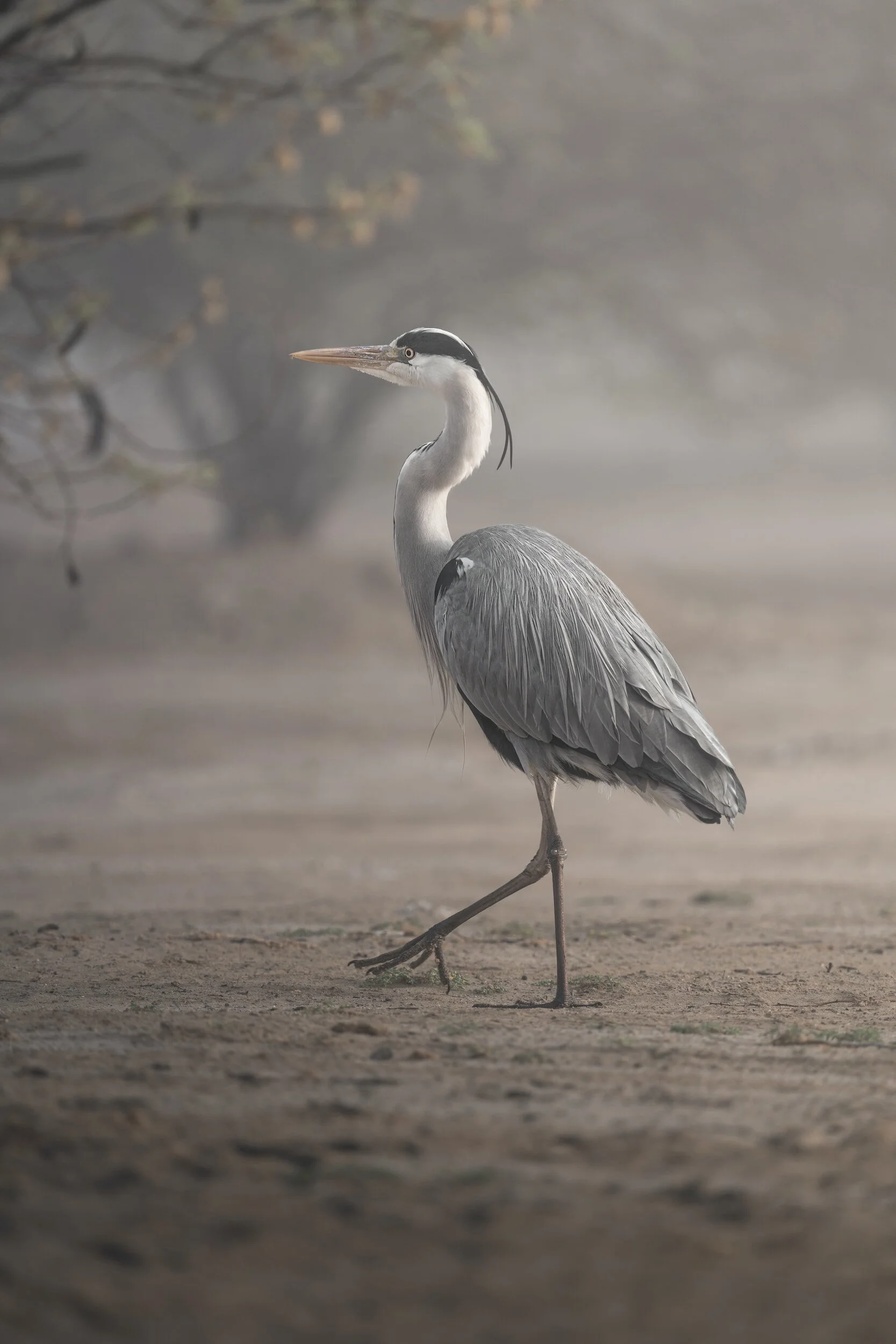
When I sent Karen the picture of the great blue heron that had sidled up to me as I sat reading on the beach, she did not yet know that she would die soon. Of course, neither did I. She was sick, and her illnesses were frequent and never satisfactorily explained, but we still believed they would be cured, that someone would figure them out and apply the right treatment.
Fucking first times, my therapist calls them. First holidays, significant occasions, anniversary of the death. The first time after you’ve lost someone, lost a child. It caught me off guard the first year, things that I didn’t expect took me to my knees. Easter, why did that leave me weeping, lashing out at everyone, feeling like a horrible failure? We weren’t religious and even if we were, Nel was most certainly not. She’d called me from prison the last Easter she was alive, Happy Easter! I tried to chirp at her. She stopped me mid-happy.
A / Anyone
You want to become anyone, a head placed on any random body. At the county fair, faces from the crowd fill the cut-outs where heads of farmers or cows should be. The souvenir photograph, a reminder of a new identity. You want to go into witness protection, become someone else, anyone else, an image the mirror recognizes. This is normal.
06.25.2022
Umma understands one out of three of my poems. This is why she declares I sound like a poet. I read Elizabeth Barrett Browning to her before I gave up on art, small girl of ten brimming with precious audacity not yet oxidized by sharp gust of outside air; recited Jabberwocky in a basement, sang Maya Angelou over the counter of an addressless existence. As long as we had no house, I could not be contained. But I gave up on art when I got my first room, blunt molasses space concretizer of reality, snuffer of dreams. Word became flesh and I hated mine, blunt molasses block of pound. What words could soften the thud of me hitting air?
The box from James arrived months after my birthday, tattered and misshapen. In it, a black-and-white striped purse, gray scarf, face masks, a knockoff Purple Rain CD, and two cardigans: one small yellow one for my eleven year old daughter and another for me the color of a bright orange Boston autumn leaf where James and I had gone to college together.
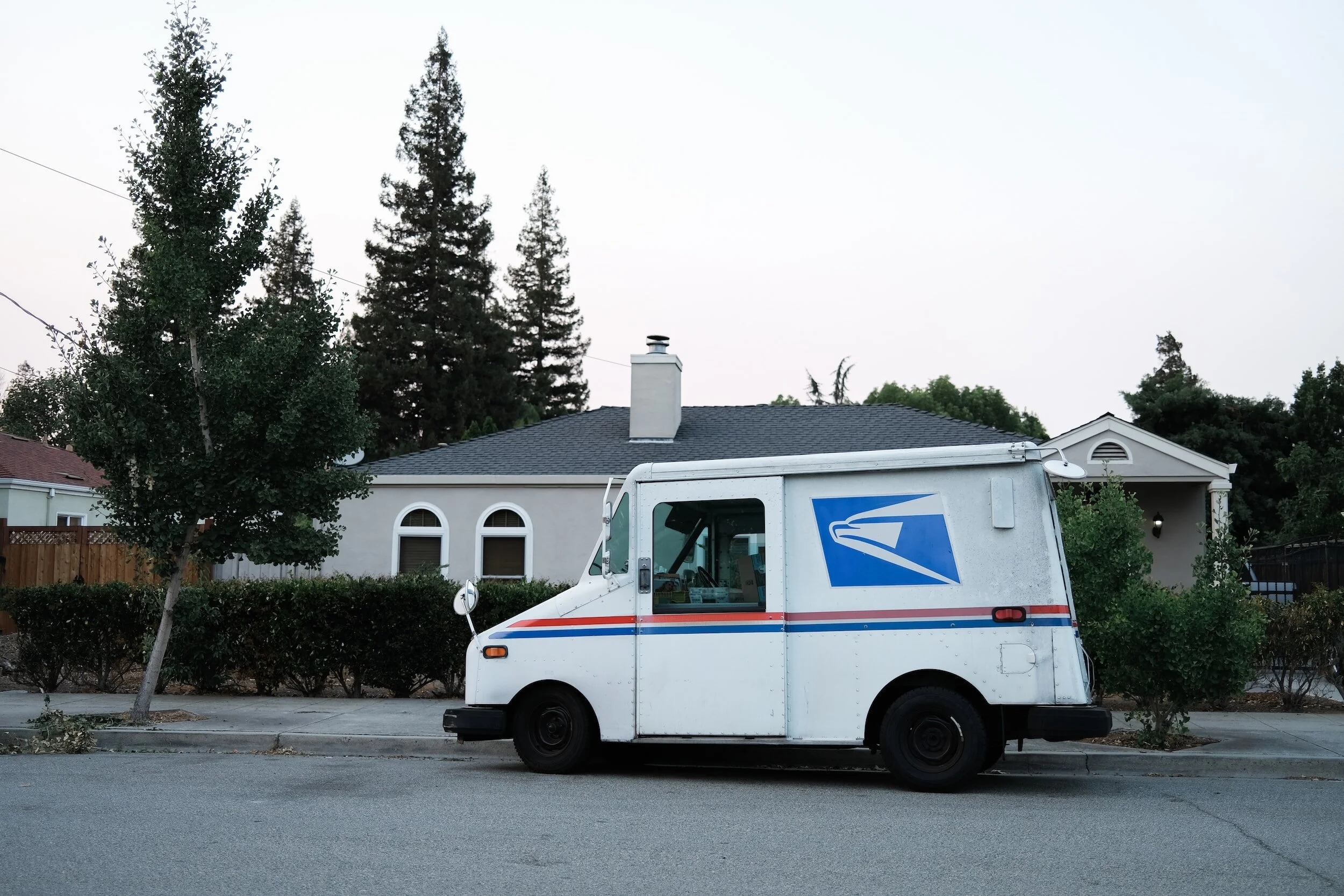
According to the United States Postal Service website, it’s illegal to send body parts through the mail.
“Heavily restricted,” is a better way to put it. You need the necessary permits, containers, a transport license from the American Association of Mortuary Shippers. There are rules involved, special restrictions; same goes for dry ice and lithium batteries. You can mail live bees, but not medical marijuana. Those thin, translucent lines that keep us from stuffing a toe into a manila envelope on the way to work.
I walk troublingly late. None of the doctors know what to make of me.
“You came out of the womb singing your ABCs, but you didn’t walk until you were two-years-old!” my mother jokes. “You were just so smart. You wouldn’t even crawl. You’d just roll everywhere, like a little log. You were very efficient.”
A very expensive doctor on the Upper West Side finally steps in and fits me for special shoes with arch support. They are pink leather and make my feet look comically large for a child so small, and I wail when they are strapped on to me, wriggling as the velcro crunches into place. I detest the process of learning to walk. I fall constantly. My little knees remain perpetually bruised.
Once I finally get the hang of it, though, I am unstoppable.
“You lived in Chicago because that’s where Dad, my dad, came from. Before that, you were in Colorado with your mom and dad. That’s where you met my dad, in Colorado. You married there, in Colorado Springs.” I stopped. Mom’s eyes had shifted away to search the air behind me.
“No,” I said. “You were married in Glenwood Springs.” Her eyes met mine as her lips formed, “Glenwood Springs” with me.
“You went to San Francisco for your honeymoon.”
Her eyes sparkled, and her face relaxed as she recognized the next turn in her story.
“But you were carded at the Top of the Mark. You, a married woman!” She was nodding, almost laughing now.
“And you were how old? twenty-four?”
I continued the stories she’d told me over the past few years. It was the first time I had to lead the way. We told her life together, leaving out the deaths of both dads.
Then, in her way with only the first few words of a thought, she said, “That’s why people…”
“…should write it down?” She nodded.
I could mention that the family assembled later that day, bringing mu shu pork and tender beef and stir-fried peas from Louie’s Chinese, where she and Dad hosted Sunday dinners when the kids were young. How there were gifts and cards and a birthday cake to accompany our pretense of a happy day.
But it’s more memorable that, after she and I unfolded her story together, I pushed her wheelchair to the rhododendron park across the street, gently lifting the front wheels and then the back, to lower her over the curb and wind around the bumps and holes from construction in the road, and then I tilted her back to climb the far-side curb and maneuver her down a gravel path into the smell of dew on grass to admire blossoms—no matter their name—in shades of red, pale pink, and a lavender blue that matched her eyes.
-Meg Mahoney
You've done the hardest part. You've put words on the page. Because let's face it, there is nothing more terrifying than a blank page. But you aren't done yet. Now you've got to give the story life--texture. The details are where stories (and essays) come to life.
In this 90 minute workshop writers will learn when, where, and how to add just the right amount of details that will take their story from words on a page to a living, breathing thing.
You love writing. You want to write more. But life seems constantly set on keeping that reality from you. Enter: Five Weeks of Flash. Part generative workshop, part round-table feedback.
Each week writers will gather for a 2-hour workshop. During the first 50 minutes we will use a prompt as a jumping-off point to write a piece of flash. The goal for this first part is to write a very rough, but as complete as possible flash fiction story. Then, during the next 50 minutes writers will come together to workshop each other's stories. By the end of our 5 weeks together, writers will have 5 complete flash stories ready for their next stages of revision.
Want to know what makes agents request pages? It all starts with a captivating query letter, and you can bet giraffe there’s a formula agents look for. Join literary agent and founder of GiraffeLight Media Agency, Stephanie Katz, as she talks how to structure query letters that will get agents’ attention, the key Green Flags agents look for and the Icks that turn them off, the all important Comp Titles that authors unknowingly live and die by, and how so many authors are using Comp Titles wrong. The Query Letter is your industry handshake, and Stephanie will help teach you how to make it strong.
Wednesdays at 6pm CST, March 31 - June 2, 2027
How do we make sense of the terrifying and unknown? For both ancient times and the modern era, fairytales, myths, and legends have provided insights into the human mind and community at large, but at the center of those stories are the experiences and truths of women. In this special topics craft course, we will explore contemporary retellings of magic and myth across writing genres through the lens of womanhood. Required readings in the course will feature work by Helen Oyeyemi, Sabrina Orah Mark, and others. Students will read and write across the genres in writing prompts, and the class will culminate in a workshop.
The hermit crab essay is a term originally coined by Brenda Miller and Suzanne Paola in their craft book Tell It Slant: Creating, Refining, and Publishing Creative Nonfiction. Like its namesake, the hermit crab essay borrows an existing container, such as a list, set of directions, tarot card reading, or real estate listing, and makes it its own.
In this workshop, we’ll explore how different authors use the Hermit Crab Essay as a creative vehicle for approaching topics that may feel too difficult, vulnerable, or traumatic to write about directly. I’ll share writing exercises, practical tools, and techniques that you can take with you to experiment with this form and begin crafting your own next essay.
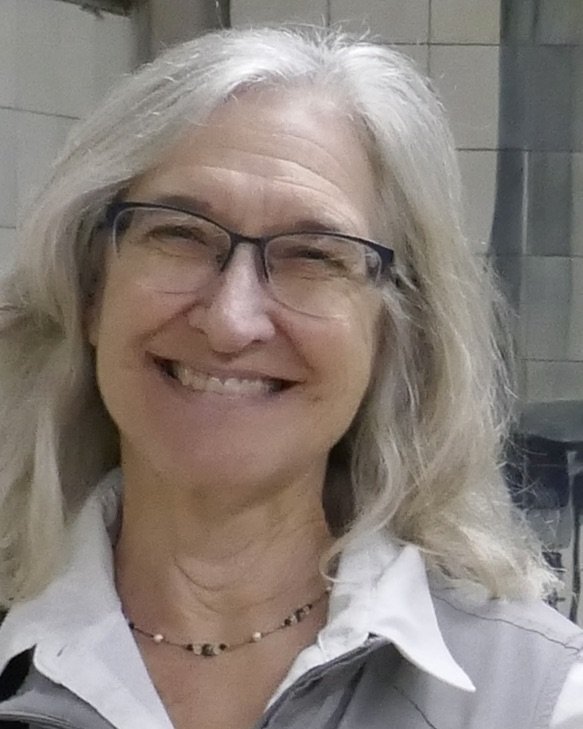
Meg Robson Mahoney’s work has been published in The Baltimore Review, Tiny Molecules, and teaching artist journal. She retired from the great fortune of teaching dance in a public school and now explores Puget Sound and the Salish Seas by boat with her seafaring husband. Website: megrobsonmahoney.com, Substack: megrmahoney.substack.com
I thought about writing this story as fiction: two women, a later-in-life, larger-than-life friendship that changes both of them, a sudden fatal illness. Fiction can fix the broken, prevent the disaster, turn around the inevitable. The child can be saved. The bad guys can be caught. The terminal patient can beat all odds. By choosing fiction, I could change the ending of our story, Diana’s and mine. I could keep her alive. But no. If I did that, it wouldn’t be our story anymore.