
The Pregnancy Diaries
Pregnancy lasts three seasons: the same cycle of time I’d been in Edinburgh.
I found out I was pregnant at three in the morning after the Spring Equinox Witches’ Market. Spring still felt very far away, I was still in my big Canadian coat, and still wearing rubber gloves under my winter cycling gloves to break the wind, which the man in the Leith Walk bike shop taught me to do. Before I accepted the new job in Edinburgh, my husband and I talked endlessly about the weather. Was it really as bad as we imagined? Could we really live up there?
We had arrived in January, and ever since, winter had felt like a permanent state of being. But at least now there were daffodils everywhere, and the Witches’ Market was selling them in overpriced bunches, next to rosemary oil candles dedicated to Ostara. I bought a bunch of daffodils in Lidl for half the price, and set them on the kitchen table.
My husband was away, and I felt completely alone in this strange city. For days, I had been having excruciating abdominal pains. I wondered if my period was coming, but it felt different. That night, I woke up, and I knew. I had a single test, left over from some worry or other, and watched it change to positive while a huge silver moon shone through my bathroom window, nearly full. I realised we must have conceived at the last full moon, which would have pleased the women at the Witches’ Market.
I googled “pregnancy abdominal pains”. For once, the internet was reassuring, and told me it was a thing. I realised you were coming, whoever you are.
I hadn’t even registered at a doctor’s surgery yet. I googled local GPs and picked the nearest one, not knowing anyone to ask. Day broke, and as I waited for it to open, I ran to Wardie Bay, where a rainbow arched through the sky.
Spring came fully, blossom on the trees in the communal gardens below our flat, pink on copper cherry leaves, and a luxuriant white-flowering creeper growing up an electricity post and out along all the lines, like a maypole. I stopped wearing jeans. Couldn’t bear anything pressed against my tender belly.
The pains continued, and we went for an emergency early scan.
I had had those pains before. Nineteen years ago, an accidental pregnancy, and a season of medical uncertainty. I wanted to terminate it, the simple way, the pill way, but the doctors wanted to see it in my uterus first, perhaps because of the pain, I don’t remember now, and they couldn’t. It was hiding. They kept sending me away and telling me to come back a week later – once it’s grown a bit more, they said. But it was never there. The pains got worse. There was something wrong. They were worried. Eventually, after endless traipsing between hospital corridors and my childhood GP surgery, they sent me for an emergency operation. Evacuation of Retained Products of Conception. Like a hoover, they said.
When I woke up from the general anaesthetic I knew it was gone, the thing they had never seen. As Miranda Ward writes in Adrift, you think pregnancy is a black and white state of being. You either are, or you aren’t. Turns out there are a million shades of grey. For weeks, after moving to a new city to start university, I had to have blood tests to check my pregnancy hormone was dropping at a suitable rate. It was. Eventually, they gave me the analysis of what they had hoovered out: there was “foetal material” there. Whatever that means. What had happened? I asked. Blighted ovum. One in five pregnancies fail.
It wasn’t a thing. I couldn’t mourn it. But somewhere inside me I stored the information: your body can’t do this.
Until I lay there under the echographer’s probe, that information had lain dormant. Then I realised what I was expecting: another inconclusive scan. We can’t see anything. Come back later. Do a blood test. We’ll see what’s going on.
But then, suddenly, there you were. A tiny egg, too early to see anything more, but the echographer’s pronouncement: it’s in the right place, it’s what we’d expect to see at five weeks.
I was sustaining life. My body did know how.

When I lived in the tropics in Colombia, we dropped a binbag into the street outside our house, splitting it and spilling its contents. Two months later, a tomato plant was growing in a gap between paving stones, all floppy with nothing to climb up but happily producing shiny red fruit which the neighbours took. Life gets in the gaps, determined.
Edinburgh was still cold. Spring was a bit of a lie, but it was getting lighter, and the cycle paths were full of green sprouts and singing birds. We went for windy walks along the sea to Cramond, and up the Almond River. We took a train to North Berwick, walked along a cold beach, took a slow boat out round islands covered in nesting gannets. I wasn’t allowed to ride the speedboat. The things you don’t know about pregnancy, until you’re in it. A whole world of advice and prohibitions, down algorithmic rabbit holes on the internet.
The pains went away, coffee started tasting rank, and I switched to hot chocolate for writing sessions. I went to events in my department wearing loose dresses and jumpers, wondering if people could tell, worrying they’d think I was getting fat. I was still busy nesting in our flat, searching Vinted and Facebook Marketplace for second hand desks, learning about houseplants and boiler servicing, my Instagram a mishmash of pregnancy and internal decorating.
By May, the blossom was dropping, brown clumps of it soaking in gutters, and the sun was occasionally warm enough to sit outside. Visiting London felt like visiting the Mediterranean. I felt it as soon as I got off the train at Kings Cross, heat radiating off the pavement, turquoise blue sky tinted with bus exhaust, reminding me of what I’d lost, moving to an unknown city for an unknown job. Pangs of home, of what we leave behind when we move. How much later it stayed light in Scotland; how much further north we were—how far away.
After the twelve-week scan, when we saw your heartbeat and you stood on your head like your yoga-practicing father, oddly aquatic, we began to tell people, and my conversations with women changed. Friends with children were repositories of a wisdom I desperately needed. A club I hadn’t even known existed. Secret knowledge, stored in corners of their bodies, mostly unwanted, uncared about, by others. A new vocabulary; an initiation. Dark knowledge, of birth pains, medical mistreatment, sleeplessness, thyroid breakdown, postnatal depression, the need for breastfeeding coaches, brands of kit they swore by to stay afloat. Bittersweet, life blooming and life sucking, exuberance in action, becoming. The love and loss of transition into motherhood. Patriarchy, even in the best circumstances, slipping through the edges of work and marriage and life, all of it, ringed by the unfairness of being the chosen ones, the magic ones, the creators, yet the joy of a newborn, of being needed. I inhaled it all, asked for birth stories, the myth of something just out of reach, something you cannot know until you’ve done it, can’t know how your own body will behave, how your own baby will be, and in the meantime you wait, watching the seasons turn.
I was sleepy. I got heartburn twice. For two weeks I had muscle flutters in an unexpected place. I went to things in Edinburgh, plays and academic talks and art exhibitions, trying to build my relationship with the city, so new, so cold, always feeling like I was running out of time to root myself in. I didn’t know that having a baby would be the most intense form of rooting in place. I put pictures up in the flat and wondered how we would reorganise everything for the baby, but it still felt very far away, abstract.
You started to move, very little movements, tiny wriggles.
We spent most of the summer in Colombia, working and visiting the Colombian side of the family. In our second trimester you got some Colombia energy into you. I spent a night in my old field site in a warzone in the tropics, and during a rainstorm I lay in a hammock under a zinc roof. The noise of the rain thundering on the metal, one of my favourite sounds in the world, made you dance inside me. I was still running by this point, but my runs were short and slow, I stopped often to stop walk. I had less oxygen. When I gave talks I found myself short of breath.
We missed the Edinburgh festival. Would we be able to go next year? With a baby, nothing would be the same. Pregnancy is a ticking clock. Life as you know it coming to an end, with no idea what it’ll be replaced with.
We came back to the end of summer, a rubbish blackberry season, unripe berries shrivelled on branches. I learned that the Scots called them brambles. We picked apples instead at the community orchard on Leith Links, overly tart but good for baking, and we started antenatal classes. Our instructor shared a video in our WhatsApp group demonstrating the physiology of birth using a balloon and a ping-pong ball. I was terrified by it.
I became unusually clingy, didn’t want my husband to go away, but he had to go back to Colombia for work and it upset my internal body clock. Instagram advised that “nesting” was a “female instinct”, some hormonal thing which kicked in around the third trimester. All the videos showed women buying baby stuff on Amazon and organising them in impossibly neat drawers divided into perfect, mysterious sections. They didn’t talk about needing your partner by your side, needing him to be there, even when he was annoying, even when you were out most of the day doing your thing, because you are preparing together for the end of the old time and beginning the new, and you need to know you’re standing on the same ground.
My iron and my thyroid levels dropped: the baby was taking it all. I ate more red meat and spinach, bought collagen supplements, and went back to the office as term started, just as the leaves turned, yellow snowflakes floating upwards in George Square, and we thought about turning the heating on. Not yet. Let’s wait until October, at least, I said. We’ve always kept our homes on the colder side. This winter, that would have to change, to keep the baby warm.
I stopped running because my feet hurt, the increased relaxin in my blood stream making them flat and sore. I didn’t yet know that it was a sign of preeclampsia. Many signs of preeclampsia are also just side-effects of pregnancy. It got to the point where even walking was painful. I switched to swimming instead, and one weekend we cycled to Cramond and I felt terribly vulnerable, pictured myself falling off the bike, a car crashing into me, someone punching me in the stomach. Raw and protective; a walking womb. We arrived to low tide and walked across to explore the island, where we finally found blackberries sweet enough to eat, and watched sea herons picking fish out of salty flats as the sun set fiery over the silver sea.
I became uncomfortable, peeing eight times a night, seeing myself do the pregnancy walk in the mirror, recognising it without knowing I had known it. I tied a chumbe round my middle to support my back, a purple belt woven by indigenous Colombian women, a gift from a friend. It looked weird with my jogging bottoms but I wore it under a hoodie when I walked around Leith to buy groceries and write in cafes.
I worried about how I would write, once the baby came. My mother always talked about writing while the baby sleeps. She wrote her first book of poems when I came along. Will I be that kind of mother? Or another kind?
It was a selfish train of thought, to worry about loss of self. Other people focus on what they’ll gain, how much they’ll love their baby, how excited they are. That joy, that bond, that parental instinct – but it all felt impossibly mystical. What seemed real was the imminent loss: of self, of bodily integrity, of independence. Because those were things I knew. The other was the complete unknown. My husband said he thought he would be able to travel again for ten or fifteen days at a time after two months of staying home with the newborn. I grumbled about how gendered that was, imagining not even being able to go out for a walk or take a bath on my own without a military logistical operation.
I heard Margaret Drabble on the radio talking about her early years of being a mother: I was constantly torn between writing and being with my children, constantly feeling guilty. But stopping writing wasn’t an option.
Would I be that kind of writer? What would it mean if I wasn’t?
When we arrived in Edinburgh in January, it was all winds. Winds bringing in the haar—the sea fog—winds banging our windows, winds that made me afraid to cycle to work, winds that howled at night and made me love the thick grey stone of our tenement buildings even more.
When you come, we’ll be venturing into winter again. Postpartum, the fourth season: the fourth trimester, Instagram calls it. A good time to lock down and stay at home, recover, get to know your new baby. Instagram told me to prepare stews and broths to freeze, in preparation. But how could frozen food help me prepare for the ritual of birth, liminality and border-crossing, the self dying and a new self being born together with the baby? The unknown future was getting nearer, realer, the medical vocabulary was becoming more specific, the to-do lists were getting checked off and our draws were full, albeit not organised into Amazon separators. How would my body cope, how would it behave, this unknown animal? Could I trust it? What did it know, that I didn’t? How could I look after it? I ate more spinach, and steamed fish, and bought dates and raspberry leaf tea, which were supposed to tone the muscles of my womb and make labour easier, and I didn’t believe toning was a thing but I figured it couldn’t hurt.
It hurt to bend over and tie my shoelaces. I grunted when turning over in bed. You moved inside me like a little warrior. What were you doing in there? Sometimes you kicked so forcefully I watched my skin stretch and my stomach move.
What is it like, being a baby? The mystery none of us can remember, perhaps memory isn’t formed then, perhaps we need not to think about the other inside us because at this point we are still selfish, still focussed on ourselves.
The leaves turned brown, covering the grey cobbles of Leith. We saw babies and toddlers everywhere. I recognised the brand of the pram I bought second hand off Facebook Marketplace, after testing out different models with my mother in John Lewis. In a month, you would be here, our Scottish baby. It’ll change our relationship with Edinburgh, my husband said. Edinburgh would become the place that changed our relationship to the world. Next time the daffodils come out, the new world would be here, with you in it.
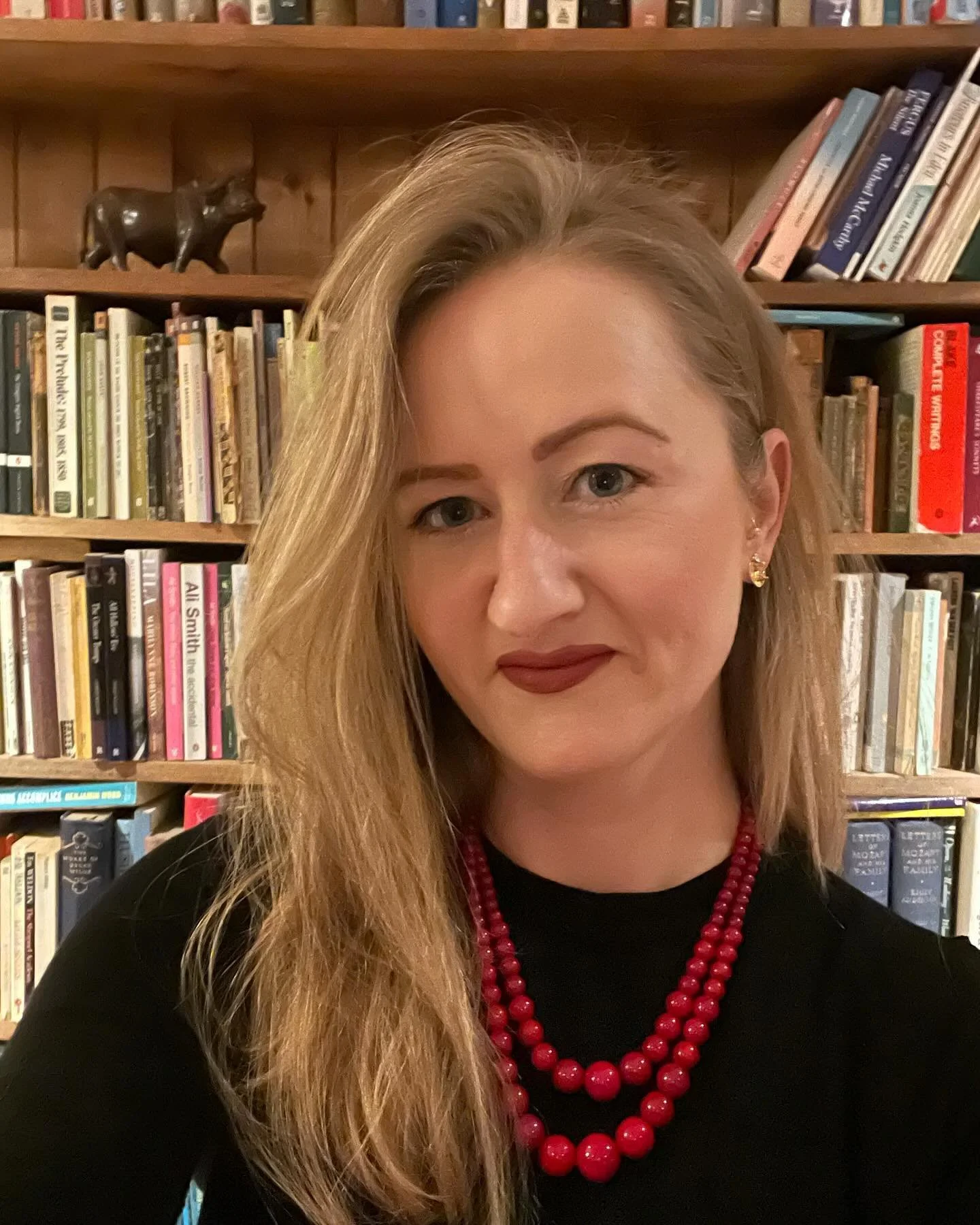
Gwen Burnyeat is a writer, storyteller and anthropologist living in Edinburgh. Her short fiction has appeared in The Dublin Review, Critical Muslim, Otherwise Magazine, Flash Fiction Magazine and elsewhere. She is the mother of an energetic toddler, and believes that writing and motherhood both come from the same creative source. See http://gwenburnyeat.com
The slumbering house cradles the echo of your footsteps as you wander its sleepy halls. Sleep should have come for you hours ago, but your anticipation has successfully warded off any chances. The contractions come so lightly and irregular that you wonder if it’s even labor. Perhaps it is the Braxton-Hicks you read about.