
I Used to Be Sand
I was called sand.
My family and I didn’t travel to beaches full of it. We couldn’t. Being Iranian in the 1980s and 1990s came with a label: terrorist.
My nickname didn’t come from a beautiful beach.
It came from hatred.
In third grade, I proudly presented Iran to my class for our family tree project. I brought Persian rugs, gold jewelry with my name in Farsi, and kabobs my mom helped me cook. Nobody touched the food. Not even the teacher. Faces curled in disgust at the project and at me.
I was eight years old.
That was the day I learned I was different.
My mother was white. My father immigrated from Iran to Texas at seventeen. But I never thought of myself as white, because everyone around me made it very clear I wasn’t.
When I started driving, SAND N—— was scrawled across my windshield in white shoe polish, again and again. It appeared on the school bulletin board, scratched across my face and name.
There is no way the teachers didn’t see it. I know this because I later had my own bulletin board for nineteen years.
My best friend Tina erased the words. They came back. She went to the principal and told him what was happening to me, what I was being called.
Nothing was done.
We didn’t have Google back then, but I knew that word was dangerous. I felt it before I understood the meaning.
It felt crueler than the others because it never landed on me alone.
In English class, I cowered when we read Huckleberry Finn. Every time the teacher rotated readers, I prayed the word would not land on me.
I didn’t grow up walking with sand between my toes.
I was sand.
Years later, sand became something else entirely.
The beach became the place I love most. I bring sand home from vacations without thinking about it. Some of it still lives in guidebooks and bags, long after the trip ends.
Andie’s ashes sit on a high shelf in my home, in a blue urn. Some of them look like the white sand in Maui.
I didn’t want to meet Andie.
My husband had just joined CrossFit and quickly became one of those people. I assumed anyone from that gym would be annoying, including him.
He kept pushing me to meet a couple from there. I kept saying no.
I finally caved when my husband told me they had two Weimaraner puppies named Stella and Goose.
When I first met Andie, she was quiet and reserved, almost impossible to get to know. I did all the talking, and she answered in one-syllable replies. I assumed she hated me. I later joined CrossFit because she was going, and because I wanted to be her friend more than she wanted to be mine.
Over time, the four of us became family. We traveled everywhere together, and I still carry those memories with me.
On Andie’s fifty-first birthday, which became her last, we stood shoulder to shoulder in an infinity pool overlooking the ocean in Mexico.
The water was warm and still, so clear it looked like glass. The edge of the pool disappeared into the horizon, ocean and sky blurring together in hues of blue.
Andie and I stood in the middle of the pool, listening to the steady inhale and exhale of the waves. Behind us, our husbands sat sipping tequila and smoking cigars. Andie sipped water with lime. I sipped wine.
We stood in silence.
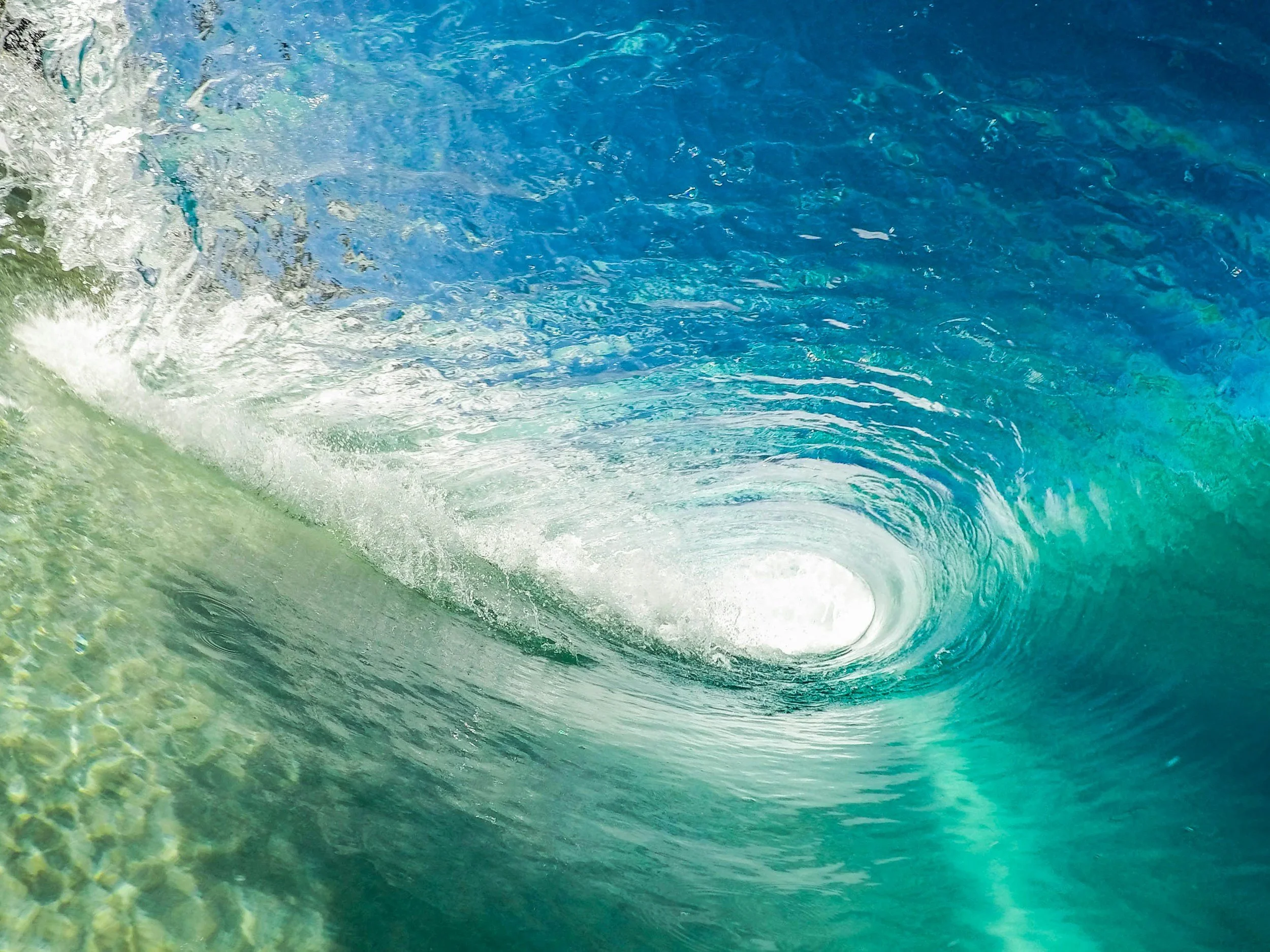
Without warning, a massive wave surged over the edge of the pool.
We screamed along with the others floating nearby. The wave dragged sand with it, so much that there were several inches beneath our feet.
It missed everyone else.

Later, a resort manager told us waves almost never reached the pool.
As we headed to dinner, we asked someone to take our picture.
The four of us stood smiling while the sky behind us looked like a watercolor painting, orange and pink, with clouds melting into one another. Sand, ocean, and agaves framed us on either side.
It’s hard to look at that photo now. I didn’t know it was Andie’s last trip. I didn’t know we would never return together. She was beautiful in that photo.
A few days after we all returned home from Mexico, Andie texted me asking if she had told me about her prayer for sand.
She said, “When we were in Mexico, I prayed for God to give me more sand in my hourglass, like they used to measure time. I also pray every day that God covers me from the top of my head to the soles of my feet with His healing power. Two days after I prayed for more sand was the day we were standing in the pool when the wave crashed over us and covered us from head to toe in sand! There were five inches of sand beneath my feet in the pool.”
Five months later, I spoke about the sand and that text message while delivering my best friend Andie’s eulogy.
Ovarian cancer shattered her hourglass.
And my heart.
Today, sand no longer feels like a warning.
It reminds me that time is measured quietly.
I used to be sand.
Now I carry it.
-Erica Anderson


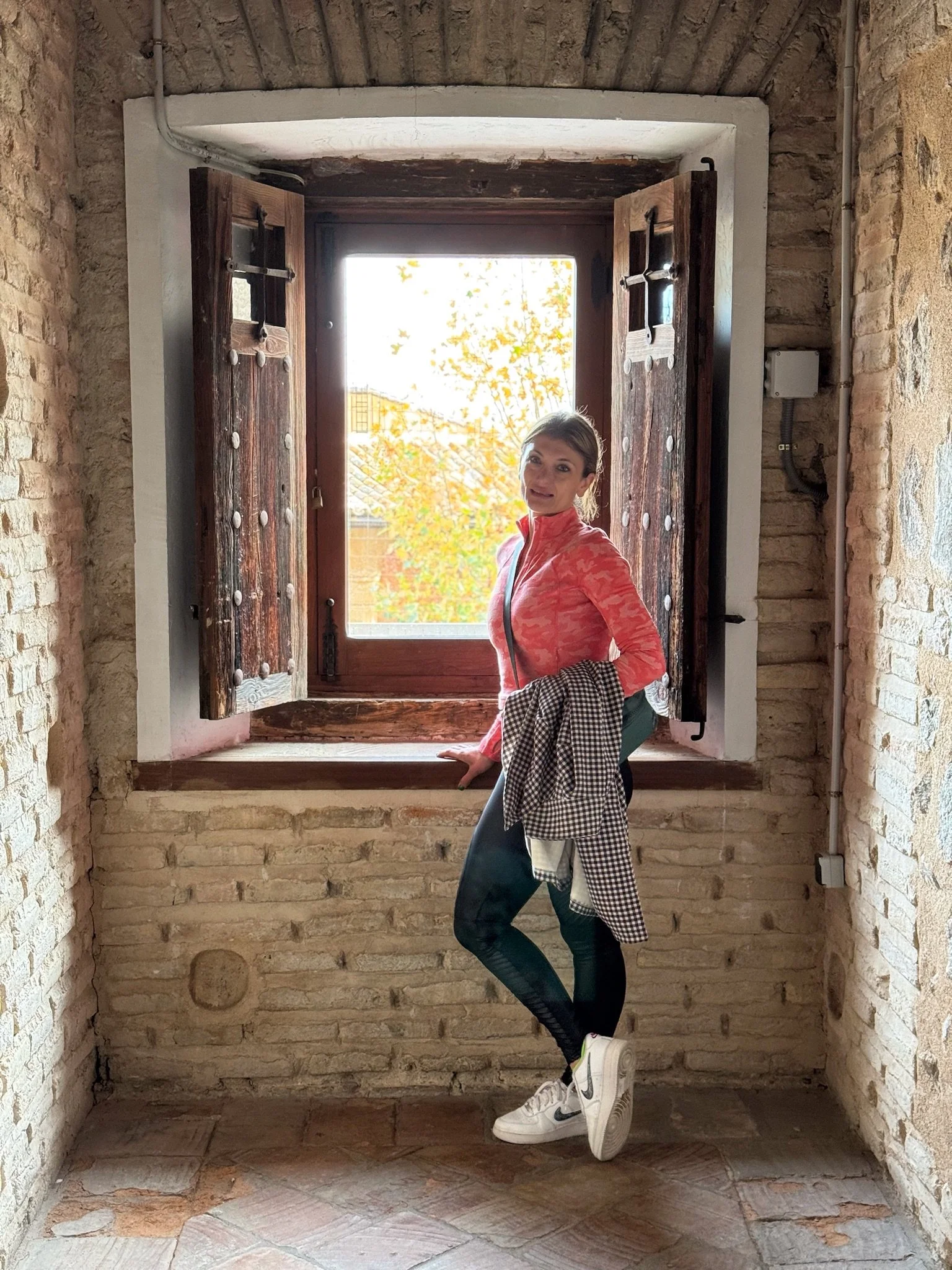
Erica Anderson is an Iranian American writer exploring grief, identity, family, and survival. A former middle-school teacher of nineteen years, she now writes part-time. Her work appears in The Argyle, with essays forthcoming in Blood & Honey and Sheepshead Review. She lives in Texas with her husband and two dogs.
I was called sand.
My family and I didn’t travel to beaches full of it. We couldn’t. Being Iranian in the 1980s and 1990s came with a label: terrorist.
My nickname didn’t come from a beautiful beach.
It came from hatred.