The Mother is Me
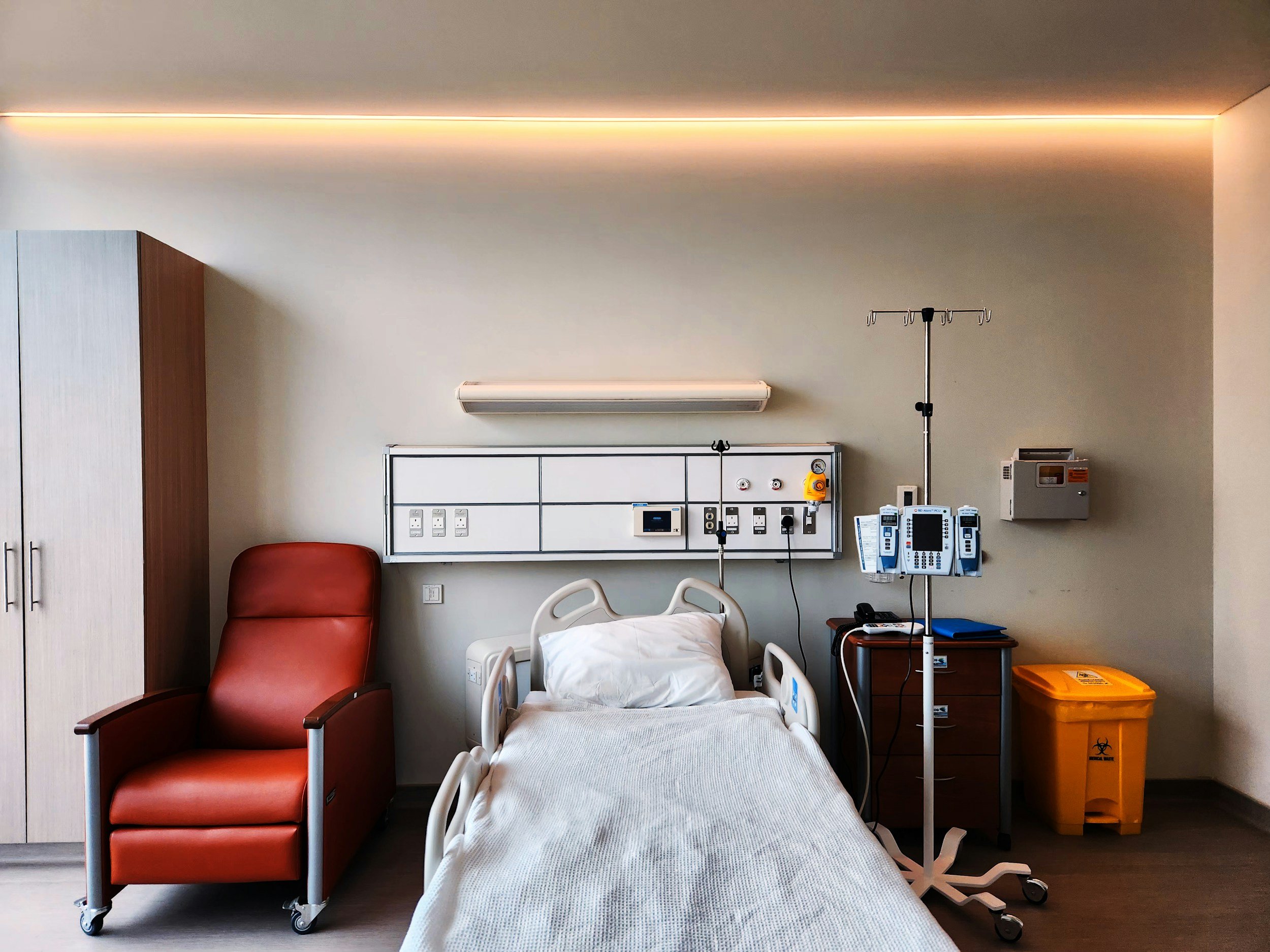
1. I’m lying on an operating table, shaking involuntarily, but the nurse checking my vitals doesn’t seem concerned. “The mommy shakes,” she tells me, the blood pressure cuff tightening around my arm. “We can give you something for that once the baby is out.”
Later, I’ll understand that “mommy shakes” are a real thing, a common physiological response to the hormonal and fluid shifts of labor. But in that moment, blinking under the fluorescent lights, I imagine them to be something more visceral: a writhing woman crossing a chasm, her swollen belly contorting in the air.
The blood pressure cuff releases its grip, but I’m still trembling, and I’m brought back to a recurrent nightmare in childhood where I felt similarly out of control. In the nightmare, I was always in the passenger seat of a driverless car careening downhill, and right before the inevitable crash into oncoming traffic or the edge of a cliff, my mother would emerge from the ether, jumping into the driver’s seat to pump the brakes and steer us out of harm’s way.
But where is she now? I scan the room. The medical staff is sharpening instruments and setting up the surgical drapes. She's home, as far as I know. And my husband has been kept in the hallway until the end of pre-op. Am I headed for disaster, right here in this room?
The staff is talking about the schedule for the week.
Finally, they admit my husband, who walks in purposefully with his hazmat suit, surgical cap, and mask. If he’s freaking out, he’s too concealed to show it. He follows the instructions I painstakingly prepared about the birthing playlist and sets up Allah Las on the Sonos, instrumental surf-rock wafting through the operating room like a gentle breeze.
“Just a little pressure now,” the doctor says from the other side of the drape, my innards sloshing like a 1970s waterbed. And then, what seems like moments later, I hear her: my daughter, bellowing out a long, operatic cry.
“Congratulations, she’s beautiful,” the nurse says as she greets us on the other side of the drape. “A beautiful baby girl.” Jillian is wrapped in a green and white striped cotton towel and wearing a pink and blue headband with a bow. The nurse places her on my chest. My daughter, squinting, surveys me before settling into the crook of my neck. I close my eyes. I am a free-flowing river, a dandelion in the breeze, a cloud in the sky. But also, a patron emerging from a double feature matinee, dazed by the daylight.
2. In the postpartum ward, finally cleared to eat, I bite into the best chocolate chip cookie of my life: warm and gooey, the melted chocolate chips nestling into the crevices in my teeth and tongue. I take a last, contented bite, buttery crumbs falling onto my gown and compression stockings like lightly dusted snow. My daughter is asleep in the bassinet, and my husband is passed out on a plastic chair, so it seems inevitable that I should drift off, too.
I wake to the sound of humming. My mother’s now in the plastic chair, rocking Jillian, and the song she’s humming sounds like it could be “Oh My Darling, Clementine,” but also like it could be many other things, too.
“When did you get here?” I say. My throat is chalky.
“Just a little bit ago,” she says, her voice softer, smoother, infinitely more soothing. She traces the outline of Jillian’s nose, her cheeks, and her chin. “Jak and your father went to grab a coffee.” She looks at me and smiles, though her mouth seems tight-lipped, concerned. “You just rest,” she says. “All you need to do is rest.”
But right after she says that, two nurses knock on the door. “Time to check vitals,” they say. One of them comes over to tighten the blood pressure cuff on my arm, the other sets up her stethoscope to listen to Jillian’s heart. I expect my mother to challenge these medical professionals. Who do they think they are, to march right in and impede bonding time and rest? But instead, she stands up and heads to the door.
“I’m just going for a quick walk,” she says.
“Wait,” I say, coughing. The chocolate from earlier has curdled into a paste in my throat. “Can you get me some milk?”
“I’ll see what I can do,” she says. Her “Postpartum Visitor” sticker, slapped onto her sweater, is fraying at the edges. When she clicks the door shut, I feel myself growing desperate, the way I always do when I find a response insufficient. She’ll see what she can do. What does that mean? When will she be back?
Will I ever be able to do this without her?

3. Sometime during my four-day stay in the hospital, the grey spring pirouettes into summer, and while there is lots of reference material regarding sleep deprivation and sore nipples, nothing prepares me for the sweat.
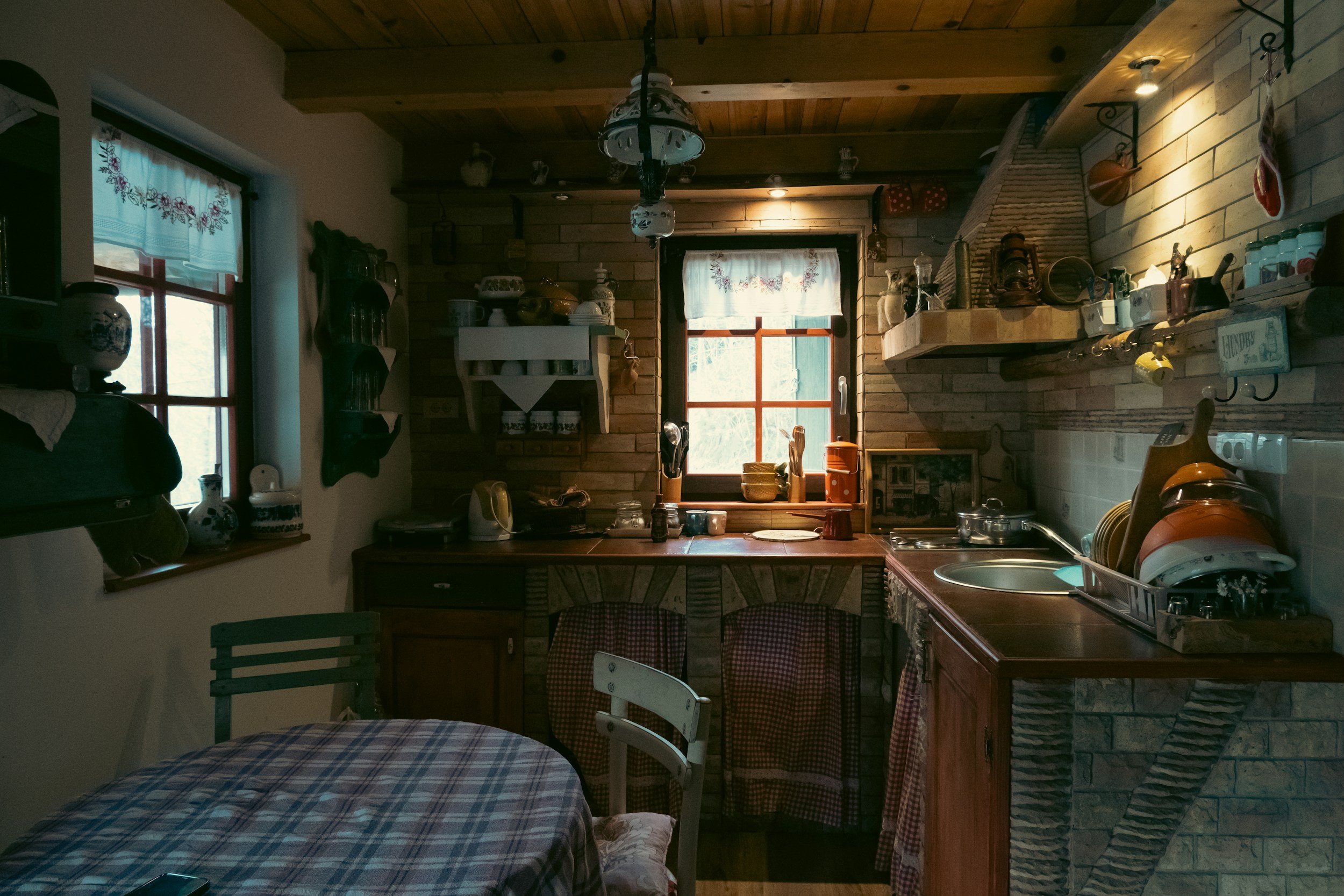
Where does it come from? Under the padding of my belly band, it glistens down my back, soaking through my adult diaper. Hazy from Roxicodone, my feet the size of sausages, each toe glistens in a slick sheen. Nights, which aren’t sleepless but almost worse, two-hour amuse bouche brackets of rest, are fragmented by alarm reminders to feed my daughter, and I wake up startled, hair matted and sheets soaked. I recall sick days from childhood: my face burning up, chicken soup on the nightstand, and a quilted duvet up to my chin. The light tap of my mother knocking on the door, the gentle creak as she looked in. I’d turn to her, and she’d smile down at me, pressing a cool, lotioned hand to my burning forehead. “Oh, you poor thing,” she’d say, sitting at the foot of the bed, “you poor thing.”
I rock my daughter, humming as she cries against my damp chest.
4. My mother comes over to help, and I find myself holding my breath when I review, for the third time, how to fasten the swaddle and buckle the stroller, or while recapping bottle-feeding techniques to reduce gassiness. My frustration is palpable, as she finally says, “Jackie, you know, it’s been 35 years since I last did this.” I have no response, but when Jillian relaxes in her arms, I sneak into the bathroom, exuberant that I have a moment to myself, at last.
And then, Jillian cries again. Whimpers and then shrieks of indignation, piercing the air.
“It’s Ok-ay, Jill-y,” my mother says, her voice a sing-song, every syllable an elastic rubber band that can be stretched. “See?” she says when I open the door and walk toward them. “I told you your mother would be right back.”
Jillian stops crying, and I stop too, jarred yet again by the realization that still hasn’t sunk in: the mother is me.
5. The mild winter has come and gone, along with a brutal fire season that has decimated two towns but left our neighborhood intact. Now the air is crisp, the trees are green, and I’m sitting with my daughter as she picks at her snack plate, a smorgasbord of chicken, avocado, strawberry, and banana. She raises her eyebrows as she surveys the options, going first, as always, for the avocado, a heaping scoop that largely misses her mouth, before moving on to a piece of cubed chicken. She coughs. I lean forward. The video from the Red Cross replays in my mind: the nurse supporting the doll’s head as she tips it forward, the heel of her hand repeatedly smacking between the shoulder blades. Is this what I’m going to have to do? My back is arched, my shoulders tense. Am I ready?
Before I can answer, Jillian’s cough subsides. She takes a sip from her sippy cup, water dribbling down her chin.
I exhale. “We’ve got this,” I say.
“Ba-ba,” she replies. Covered in a watery chicken-avocado paste, she takes my hand.
-Jacqueline Berkman
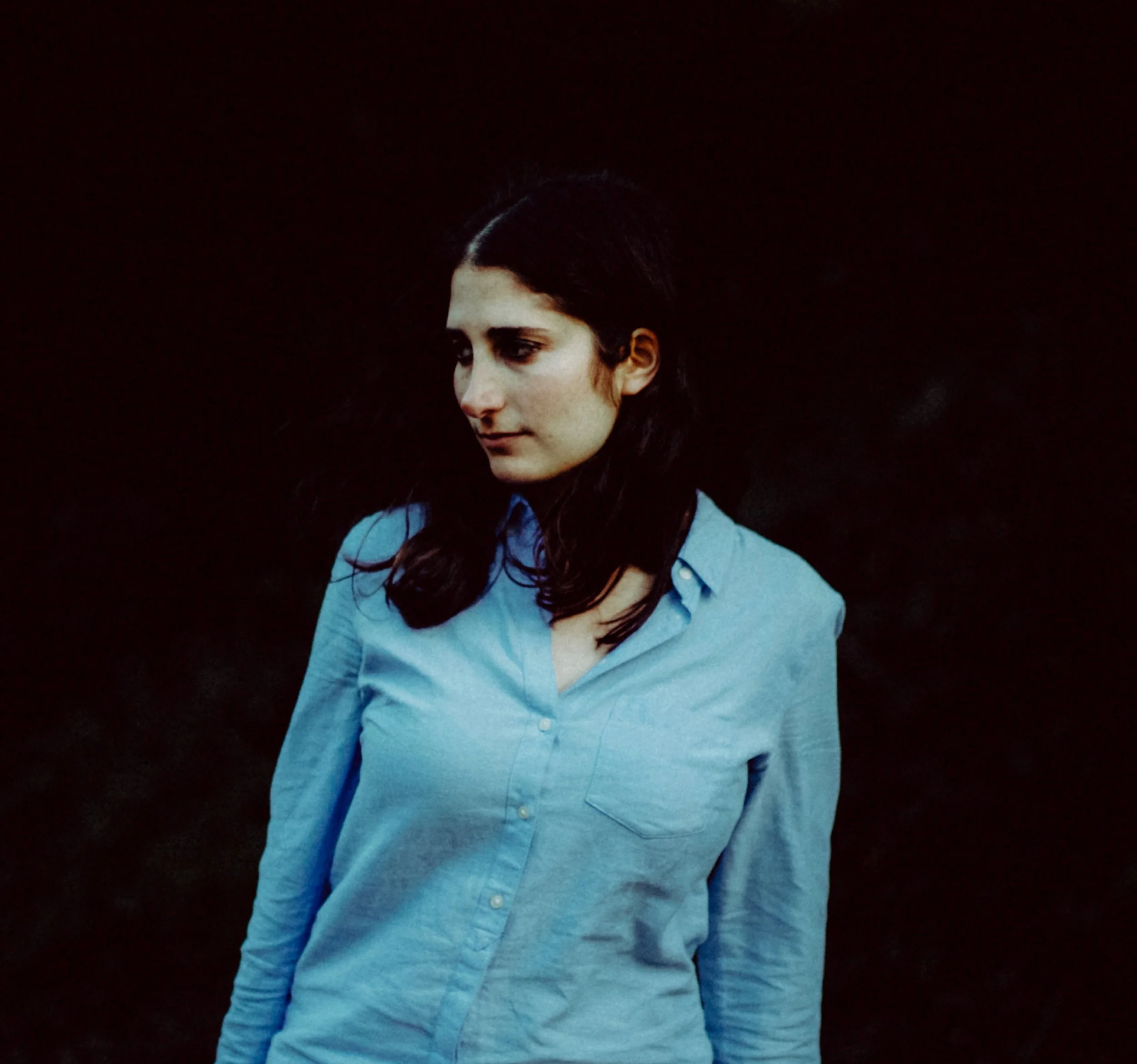
Jacqueline Berkman is a fiction writer and screenwriter based in Los Angeles. The short film “Panofsky’s Complaint” based on her short story “Picking Locks” was screened at the Cannes Short Film Corner, the Brooklyn Short Film Festival, and LA Shorts Fest, and her short fiction has been published in The Coachella Review, The Write Launch, and The Writing Disorder, among other publications. Check out her work at jacquelineberkman.com.