
Midlife doesn’t announce itself with milestones — it arrives in contrasts. One moment, you’re lighting candles for a graduation. The next, you’re watching your mother shrink into a hospital gown.
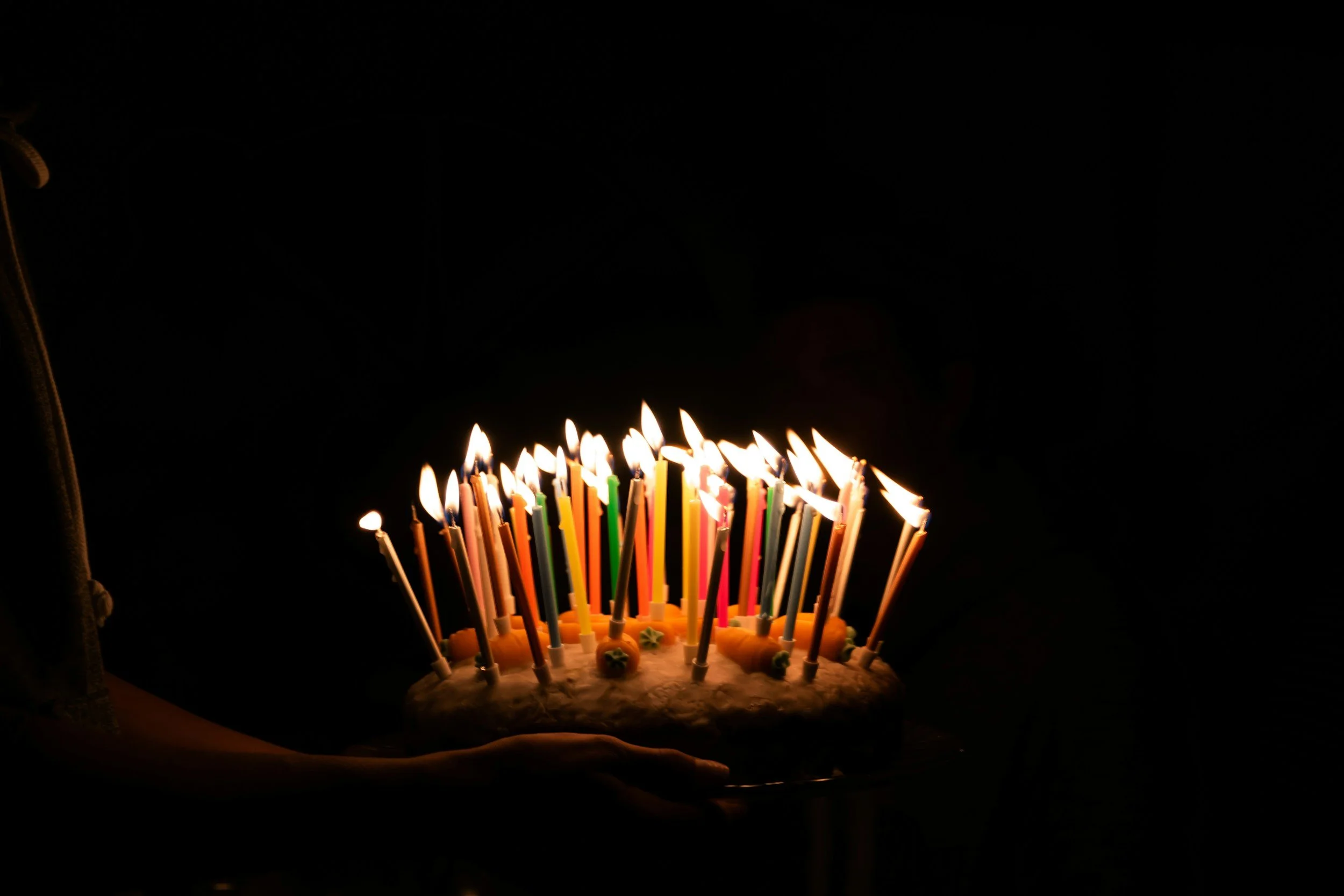
Last month, I was supposed to be hosting a celebration for my twins — part birthday, part graduation — but instead, I spent the day in the Emergency Room with my mother.
I had imagined laughter, cake, the soft chaos of joy. What I got was fluorescent lights, beeping machines, and the quiet dread of watching her finally admit she was in pain.
This is what midlife looks like: cheering your child into the future while holding your parent’s hand through decline. Not just joy or grief — but both, braided together with something harder to name. A slow ache. A quiet pressure. The haunting weight of everything unspoken.
And still, you’re expected to keep the kitchen clean.
That’s where I was — caught between party favors and an IV drip, wondering if I could hold everyone up without falling apart.
I know I’m not the only one living in this emotional middle ground: caring for aging parents while still showing up for nearly-grown kids, all while carrying the quiet weight of our own childhood.
These moments don’t just demand time — they reopen old wounds and ask us to mother from places we’re still trying to heal.
But this part of caregiving rarely gets talked about: when the giving is expected, but there’s no room to grieve, to process — sometimes not even to breathe.
Life keeps asking me to be in two places at once. As a mother. As a daughter. As someone trying to hold everyone together without coming undone.
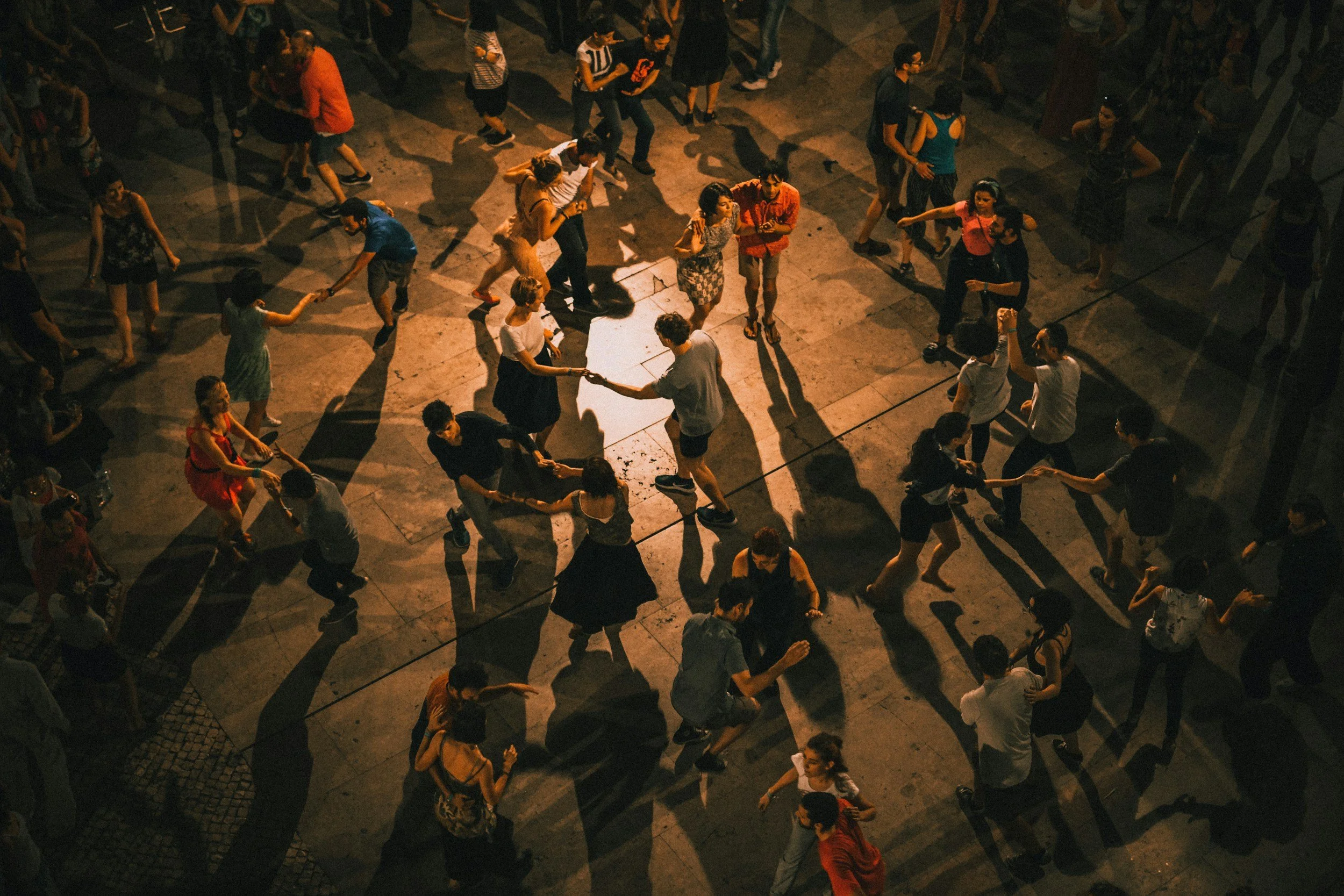

Most days, I feel like I’m being pressed from both sides — pulled thin by love, obligation, and the invisible weight of being everything to everyone.
Last month, the pressure peaked. In four days, we celebrated my son’s graduation, moved him out of his apartment, and hosted out-of-town guests for the holiday weekend. My husband and I were running on fumes — me, managing my mom; him, caring for his ninety-six-year-old mother. I smiled through it all, kept the fridge full, made small talk — while inside, I felt a fatigue that went deeper than tired. A quiet resentment I kept swallowing.
So when my mom finally agreed to go to the ER — after days of me pleading — it happened to be the day we were supposed to celebrate the twins.
The party never happened.
Instead of lighting candles and cutting cake, I spent eleven hours in the ER, making small talk while machines beeped steadily around us.
Her gallbladder was infected. She was admitted that night and released two days later — on their actual birthday.
Before we left the hospital, I helped her get dressed. She sat quietly on the edge of the bed, bare-backed in a gown, waiting. I guided her arms into a clean top, eased it gently over her shoulders. She let me — completely exposed, completely trusting.
And suddenly I felt it: the jolt of role reversal. She was small. I was the mother. The tenderness of it surprised me. So did the weight.
That night, I picked up Thai food and chocolate cake. Not the celebration we imagined, but something. I was tired, but trying to be enough for everyone.
And that’s what gutted me — not the running around, not the caregiving — but the ache of never quite being enough. Not for her. Not for them. Maybe not even for me.
A few days later, I flew to Japan with my son — not just across the ocean, but briefly out from under the weight of responsibility.

It was his gift to himself for getting into grad school, but in many ways, it became a gift to me too.
We landed in Tokyo exhausted and wide-eyed. In Kyoto, we wandered narrow alleys, ducked into tiny noodle shops with steamed-up windows, stepped barefoot into shrines where cedar and incense hung in the air.
And for once, I didn’t feel pulled in five directions.
I laughed. I slept. I walked for hours without checking my phone.
I sent the occasional check-in text, but from that far away, the weight didn’t cling so tightly. I wasn’t a caregiver or a daughter — just a woman in motion, sharing quiet meals with her son, giving him what I didn’t always receive: attention without distraction, love without needing to prove anything.
Less than forty-eight hours after we got home, I was back in the doctor’s office — my mom again. Possible infection. Same worry, different day. The trip hadn’t paused anything. It had only nudged the weight slightly out of frame.
There’s no emotional off-switch between generations. The caregiving doesn’t stop. Neither does the history it stirs.
Some days, there’s no one to hand the weight to. My husband is carrying it too, in his own quiet way, as we care for his mother together.
This is what I feel like now: like tofu in a vice grip — soft, yielding, but still splitting under pressure. My children on one side. My mother on the other. Both pressing into a heart already tender.
My relationship with my mom has always been complicated. She met my physical needs — food, shelter, clean clothes — but emotionally, it often felt like a drought.
I remember being seven, struggling to add four plus three without using my fingers. She stood over me, impatient. You should already know this. Her voice sharp. Her disappointment unmistakable. My cheeks burned.
That wasn’t the only time — just the one that stuck. The feeling lingered: being wrong wasn’t a mistake, but a flaw.
Showing emotion was considered a weakness. And weakness was something she’d remember — something she’d use later.
Even now, that ache sneaks in — when I fold her laundry just so, or wait for a kind word that never comes.
She was young. She did what she could. I shaped myself in contrast — agreeable, careful, always reaching for calm. I learned to bend, to keep the peace, to stay lovable.
But I also learned to want more. Not just to avoid her pain, but to build something different. A life where tenderness wasn’t rare.
Maybe part of me did want something better than what she had — not out of pride, but because I never felt she wanted it for me. That still stings. Parents are supposed to want more for their children. But with her, it didn’t feel like pride. It felt like rivalry. Like my becoming cost her something.
I wasn’t trying to win. I was trying to heal.
Maybe that hunger looked like rejection. Maybe it still does.
I praise my kids often. I check in even when they say they’re fine. Maybe I overcompensate. Maybe I’m still trying to mother from a place that never fully healed.
It’s a strange thing — mothering while still learning how to be mothered.
I love her. I do. But love doesn’t cancel out the damage. It just makes it harder to name.
A week later, I visited again — more out of duty than desire. A love that felt like gravity.
We made awkward conversation. She asked what was new — but only up to a point. She’s animated when we talk about her health, her appointments, her TV shows. When I mentioned my husband had been to the ER, she changed the subject to the grandkids’ lemonade stand. When I talk about a friend or a weekend away, she goes quiet.
My freedom unsettles her — not because I’ve done something wrong, but because I’ve done something she never got to do. And maybe that’s why it feels like rivalry — not spoken, but sensed.
I used to shrink to keep the peace. Now I feel her bristle when I don’t.
We talk about none of this. She forgets. I remember.
And on the drive home, something surfaced — sharp, ancient, uninvited:
I just hate her.
The shame hit fast. But so did the relief.
Because here’s what no one tells you:
You can love someone — truly love them — and still feel the burn of everything they couldn’t give.
You can show up, even when it hurts.
You can care, even when you’re angry.
You can hate the way it feels.
You can hate the weight.
You can even hate them — for a moment.
And still — still — you love.
Maybe redemption isn’t in fixing the relationship. Maybe it’s in letting go of needing it to be something it never was — and choosing to love her anyway. Not perfectly. But honestly. And maybe that’s enough.
Maybe this is what midlife asks of us:
To carry what we never got.
To stay soft, even under pressure.
To love without disappearing.
To tell the truth about how it feels.
Maybe honesty is its own kind of compassion, too.
-Elizabeth Candy
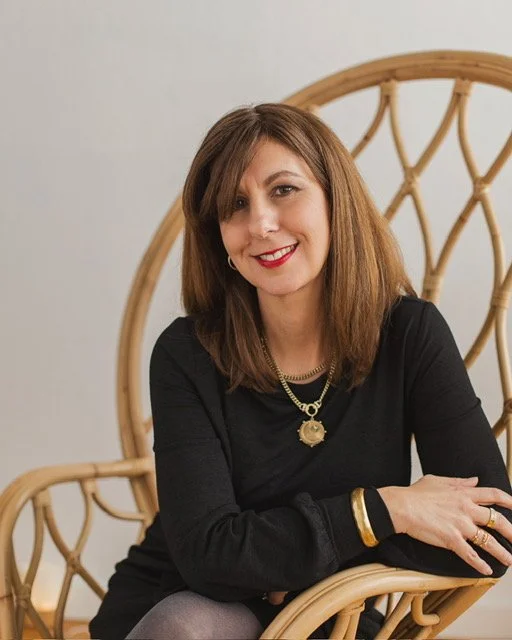
Elizabeth Candy writes about motherhood, memory, and the quiet moments that shape us. Her work has appeared in Motherwell and The Keepthings.