
Senior Lesbian Widow Seeks Love Online
Before she died, Nancy compiled a list of appropriate women she thought could be a good partner for me, which I told her was ridiculous. I was doing everything I could to keep her alive, nor did I like the women she had chosen for me. I had loved her for twenty-seven years. She would never be replaceable. My everything wasn’t enough; all I had of Nancy were her ashes. At sixty-one, I had vaulted into old age overnight, with grey roots grown inches during Nancy’s last months of hospice. I was the solo parent of two grieving teenage daughters, one who was depressed, the other defiant. My eros was exhausted, maybe dead even. But Nancy was not five months into her grave when I hooked up with Tami.
Our first meeting was at a beer and burger joint overlooking the river in my rusty Michigan city. Tami sat back in her chair smelling of cigarettes and perfume. I wore a black lacy top I had purchased for the occasion. She had a splatter of freckles across her face and kind searing eyes. When she kissed me on the neck, my eros awakened. “Can I come back to your hotel room?” I asked her.
“Tonight?” she asked, as she banged her cocktail glass on the table. Perhaps she found me too forward, or maybe she had forgotten her good underwear.
“Yes, tonight. My girls are away for the weekend.” For a few short hours in a chain hotel on the highway, my body ignited, and my misery abated.
I first encountered Tami in an online LGBTQ widows chat after I extricated myself from an inhospitable in-person heterosexual grief group. Tami sent me a private message when she learned I lived only sixty-five miles away, and we began incessant texting. I was in the parking lot of Target when she sent me a photo of herself in wading boots casting homemade flies into the river. I stared at the photo, astounded at the pleasurable prickling in my body. As we continued dating, I learned that Tami and I didn’t have much in common. She owned a home renovation business while I was a professor. She was barely out of the closet, while I had been living out loud for over thirty years. Yet we had both launched our adult lives with our partners and could not envision a world without them. We figured we could hold hands while treading water.
Nancy and I lifted each other out of the sludge when we met in 1982 as two late-blooming thirtysomethings. I lived in a studio in a converted boarding house, while making a slow and lonely trek through graduate school. Nancy had recently risen from her childhood bed after a lengthy illness and was being reborn as a graduate student in engineering. We both yearned for a family with children, something that seemed impossible for a couple of lesbians whose start in life hadn’t been promising. Life seemed grand when we got good jobs, bought a house, and achieved our dream of adopting our two daughters.
Despite our inevitably imperfect relationship, after Nancy died I realized how good she had been for me. I’d come home from work railing against the tall loud men who shouted down their quieter shorter female colleagues. Nancy would open her arms: “You’re wound up like an eight-day clock. Come to mama, darlin'."
Then I’d cook dinner and bounce to rhythm and blues across the black and white checkered floor in the kitchen while salting the pasta. When Nancy discovered me dancing, she’d laugh and soon we’d be whirling around on our black and white checkered linoleum floor. She taught me to listen to opera, plant flowers, and linger on the beach past dinner time. Her steadfast love kept me walking without buckling during my intermittent bouts of depression. Which was why I needed Tami. Without someone to hold me up, I might buckle.
Tami and I snuck around on hiking trails and rented hotel rooms by the day, seeking to avoid nosey onlookers, along with the ghosts of our spouses. It was nearly a year since Nancy died when I decided to invite her into my home. Part of me thrilled at the idea that I might have a ready-made partner and the girls a surrogate mother, but another part of me wondered if I wasn’t too hasty in trying to replace Nancy. Soon Tami started throwing lighter fluid on the grill for our backyard barbecues. She spoiled the girls with bath bombs and chocolates. The girls seemed pleased by the attention until she started changing the light fixtures, and they began to suspect that Tami might become a permanent house member.
One day, at the height of the Syrian refugee crisis, I showed Tami a picture of a small child on the front page of the newspaper who was shielding herself from gunfire.
“Where is the war?” she asked me. My heart turned over. Tami didn’t read or watch the news. I taught public policy at the university and read three newspapers every morning.
The same night, my daughter left a note on my bed: “Please stop having Tami over.” All of the parts of me converged: it was time to break up with Tami. But her exit from my life seemed like a second death. All of the grief I had suppressed walloped me like a rip current. I attended a meditation retreat, where I could not relax into a moment of breathing without crying.
I was still despondent about the loss of Nancy when my girls left for college, and I became the sole inhabitant of a four-bedroom house. I kept Nancy’s underwear tucked into the back of the sock drawer and ate cantaloupe and crackers for dinner. I wanted to travel to Florence because of the art, but I had no one to go with. A friend suggested I check out some online dating sites, after which I spent hours scrolling through profiles.
I crafted a profile that said I was looking for a “genuine connection” and posted flattering photos. I rolled through my sixties with more dates than I’d ever had as a young woman. I shrank from the women who were smitten with me and their syrupy advances. Swashbuckling distant women attracted me. There were explosions and breakups. But I would not relent. I was always dating someone, “talking” to someone, or scouring dating sites for potential partners. I thought it was a matter of numbers before I found the right person. I told my therapist about dating, “It’s a job.”

I retired in 2020 into the pandemic, and it was six years since Nancy died. Despite my plethora of dates and short-lived affairs, I still had no partner. During the winter holidays, I met Mary, a retired professor living a few states away, who was just as obsessed with CNN briefings as I was. We could not meet in person because of the pandemic but shared florid text messages and long meandering phone calls.
We envisioned a life together. Mary said she wanted to be a safe harbor for her partner. I told her I wanted someone solid. My friends had followed the ups and downs of the inappropriate paramours who slid in and out of my life, but even they thought Mary and I might be the perfect match.
I climbed into bed one evening, delighted to be capping off the day with my nightly phone call with Mary. She told me her friends laughed at her because she never varied her walking route around the pond. Spontaneity was not in her DNA.
“What would you do if I started dancing while making dinner?” I asked.
“I would leave the room,” she said. “I would feel embarrassed for you.” I loved that I could spontaneously erupt into dancing. It was a part of me that Nancy adored. My confidence in the connection plummeted, but Mary pooh-poohed my reservations. She was sure we would mesh.
We received our vaccinations and finally met in a desolate chain hotel in Chicago. The town was bereft of tourists, with only a few stragglers on the streets carrying briefcases. Mary power-walked ahead of me during what was supposed to be our stroll down Michigan Avenue. I asked her to slow down so we could talk. She snapped, “This is how I walk.”
That night, we ate at a romantic restaurant I had chosen for our first meal together. While we were dipping our shrimp into the cocktail sauce, she told me she felt no chemistry. She added, “I didn’t realize you were going to be so small.” The smell of seafood roiled my stomach at the devastating indictment. I tried to regain my dignity by making small talk as we navigated the dark warren of streets back to the hotel.
On the train ride home, I relived the disastrous date. Perhaps I was unlovable, and I had duped Nancy. My children had departed for college, I had retired, and after all those dates, I was still on my own. Nancy and I hoped to retire at the beach, but I had no plans for a solo future. I spent a few days in bed bingeing on “Schitt’s Creek,” sprinkling cookie crumbs onto the bedcovers, and avoiding the inevitable phone calls from friends asking me about my date with Mary.
Within a few days, I tired of the sludge who cowered under the nasty bed sheets. I coaxed myself into going to a yoga class, then ventured on a few hikes in the woods. I told my friends about the date, while fudging a bit about the more humiliating details. I deleted all of my online profiles and decided to rent a house in the beach town of Cape May where I had vacationed as a child, something I’d mused about doing for years.
After a taxing fourteen-hour drive to the beach, I arrived to find that the cute and inexpensive bungalow I’d seen in the photos was a crumbling façade with a treacherous staircase located across the street from a tourist bus station. I unloaded the car, then circled the area for fifteen minutes before finding a free parking space, mumbling obscenities about another dream turned into embers.
It wasn’t long before I started making peace with the house’s crumbling edifice. I avoided the parking problem by using the rusty single-speed bicycle provided by the renters. In the early morning, I biked to the bird sanctuary, where I found myself at home with the ibises and herons.
At dusk, I brought my plastic cup of white wine to the beach, amid a crowd of people watching the sunset. Before bed, I buried myself in my collection of Edith Wharton. The house soon filled with friends who didn’t mind cooking in the galley kitchen and restrained their complaints about the parking situation. Without the distraction of online scrolling and messaging, I began to accept my life as it was.
My well-kept home greeted me when I returned from my foray at the beach. My screened-in porch offered views of a lush flower garden and a close-up of the tiny hummingbirds circling the feeder. Soon, my calendar filled with dates with friends, writing classes, and my volunteer commitments.
I hadn’t given up on romance, the heady rush of a new love affair, and the sweet comfort of a shared cup of coffee in the morning. Maybe someone would come along who would be much more than a replacement for Nancy. Or maybe not.
-Julia Grant
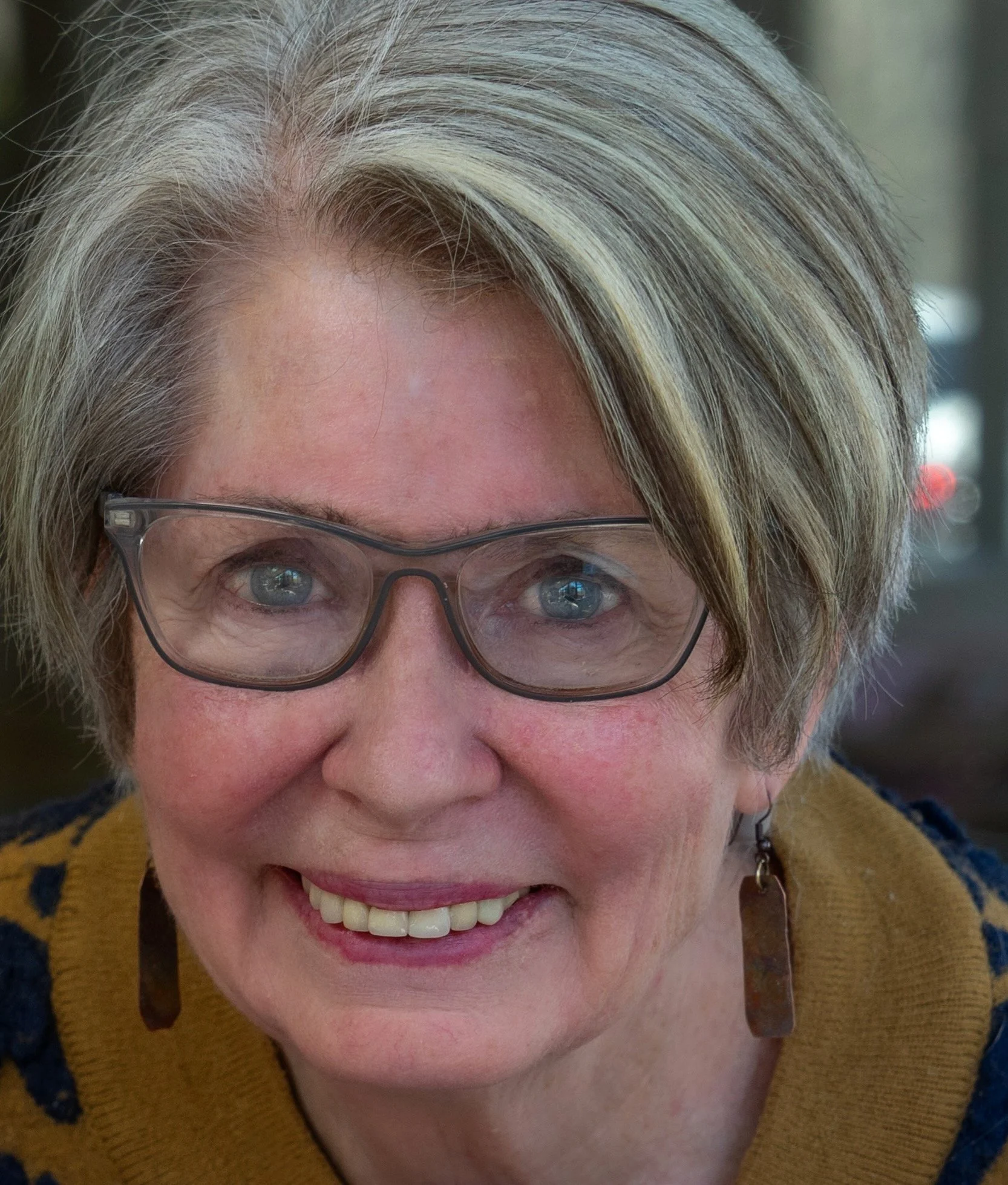
Julia Grant is a recovering academic who is reinventing herself as a creative writer. In her former life, she developed a pioneering study abroad program for LGBTQ students and helped to design the Sexuality Studies Minor. In addition to publishing essays, she is writing a memoir, "Miracles Don't Last," about her queer family.
I was called sand.
My family and I didn’t travel to beaches full of it. We couldn’t. Being Iranian in the 1980s and 1990s came with a label: terrorist.
My nickname didn’t come from a beautiful beach.
It came from hatred.