
Featured Women’s Stories
Dear Ezra,
I know we’ve never met…
And yet my hungry mind keeps feeding me
slow-burning images of you in your kitchen.

December 22nd
One day after winter solstice
Five hours, forty-four minutes and twenty-seven seconds of daylight
Sunrise: 10:13 a.m.
Sunset: 3:41 p.m.

LOVE
noun | \ lev : an intense feeling of deep affection; a great interest and pleasure in something.
LUST
noun | \ lest : very strong sexual desire.


One dreary winter day, nearly two years into dating, he ended things rather oddly: “I don’t think you’ll be okay if we break up,” he explained, “which is why we have to break up.” Though confounding, I suppose it was not surprising—he often resented how much I seemed to need him.

A mass of white caps on a disheveled sea crisscrosses the horizon, the aftermath of a hurricane that skidded up the western face of Baja from Cabo past Punta Hughes. The storm made a westerly turn on its northern trajectory, just far enough off the coast to send a small amount of rain and mountainous surf to our small pueblo. Wave after wave, a tight fetch. a disorganized army of marching swell lines with little space between them, and out the far points, close-out walls of water.
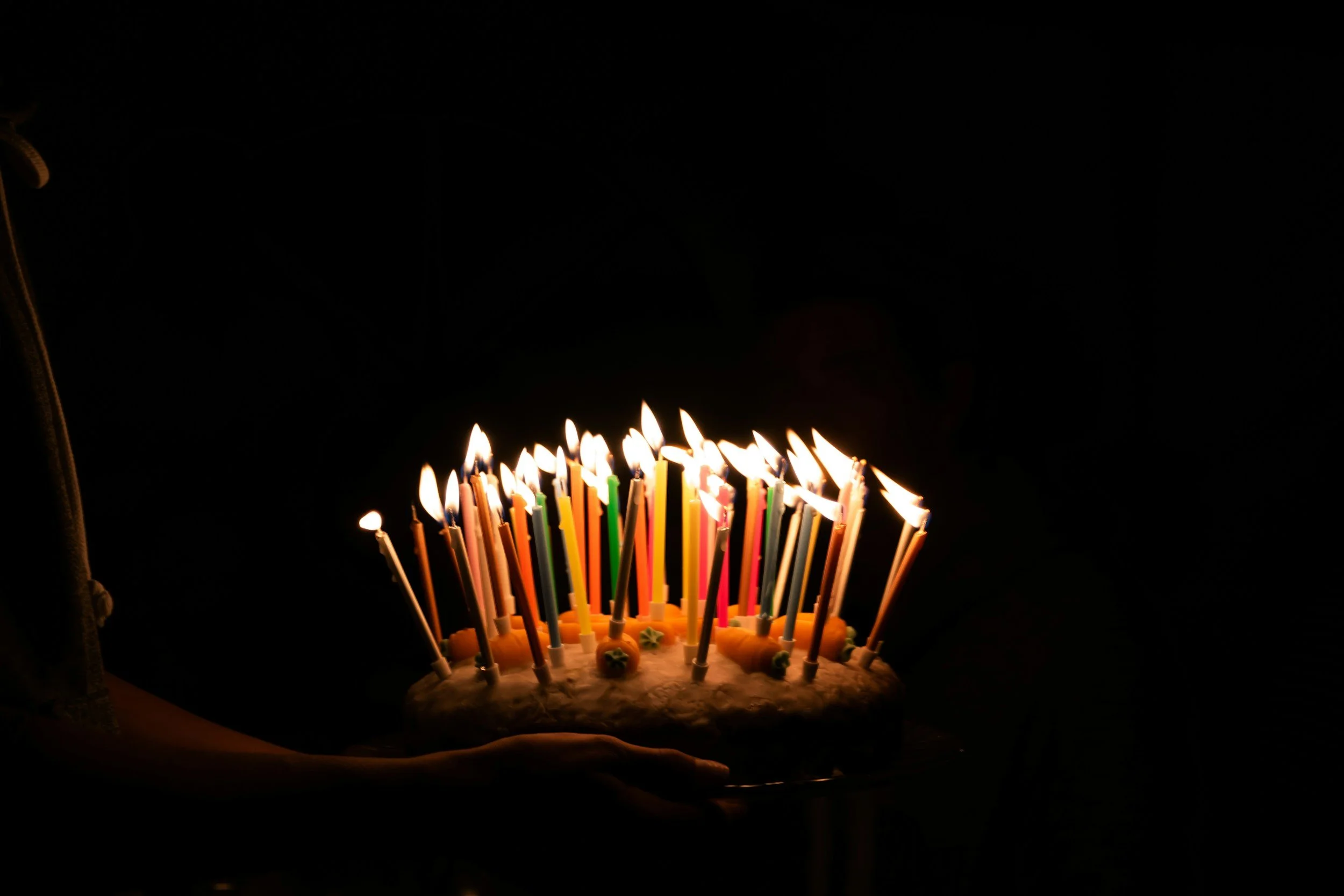
Midlife doesn’t announce itself with milestones — it arrives in contrasts. One moment, you’re lighting candles for a graduation. The next, you’re watching your mother shrink into a hospital gown.

When I was a kid, my gender and race lived together, tightly tied in a braid on top of my head. My brothers and I share a skin tone that is pale in the winter, and cinnamon in the summer. Our father was the only black person in our rural town, and as far as we knew, we were the only mixed-race kids on Earth.

“Any requests?” my daughter asks from the backseat of the car. I’m driving up Connecticut’s Merritt Parkway to drop her off for her first year of college. She plays DJ while my husband and younger daughter count passing Teslas. Through New Jersey and over the GW Bridge, we listen to their mix of Phoebe Bridgers, Kimya Dawson, and Big Thief. We’re all a little nervous, unsure about what life will be like once we say goodbye.

"Don't you think it's kinda weird, not showing your face for like, 229 months?" Bunnie, an anthropomorphic rabbit, lightly chided me. She wasn't wrong. I hadn’t booted up Nintendo’s original Animal Crossing game in nearly twenty years.

In purple light of my daughter’s first concert, lyrics wrangle with all the fears, hopes, and possibilities of growing up. Light-up stars glow into the darkness as pictures of the artist as a young girl flicker behind her. A young pop star sits at the baby grand, singing into a purple haze. I glance over at my girl, singing along, and in her profile, I see her at age twelve. I see myself at twelve too. I remember and imagine her at twenty, all of the ages I have been and she will be. A little girl voice calls out to us, and tears well up as we search for ourselves there, among the stars.

The sun was a golden coin that afternoon — if only it had never set. For her 10th birthday, Robin’s mom let her have a friend over for a sleepover. She chose me. Robin’s grandma came, and so did her uncle. He was very nice.
She opens the cupboard above the sink and stretches her body as far as it can go. The glasses and bowls have moved closer to the edge of the shelves since I was here last.
This is about my mama because I’m too stubborn, too proud, too self-conscious to tell these things to her in person. I’ll backpack around with luggage until I gain enough substance to face it head-on. For now, I’m simply going to make excuses and say that I’m too green to face this— pride(?) Perhaps sheepish-ness is a more suited term. English doesn’t wield such a single term that encases this feeling to its extent.

I met you by the river the first time while the mist rose from the banks like it was trying to change elements. You were more fun to run from the cops with than anyone else I’d met, and man you made me reckless. I never had to test my legs though, the minivan did it for us while Jerry blasted through the blown speakers in the cornfield. You walked 2,000 miles up the country on trail and wrote me letters back home while I watched, sidelined. I could have walked myself from Georgia to Maine with you, but it was your own pilgrimage to undertake, your season spending nights under a green tarp.
I attended AWP for the first time this year. In my memory now, it is a fluorescent lit blur of searching for faces I recognize, of endless flyers and stacks of books and a lanyard around my neck. And the men. I can’t stop thinking about the men.

Just after the pandemic, I went to New York City with my aunt Mimi. We had planned the trip as a way for me to learn everything I could about my mother, who died thirty-five years ago from an aggressive form of breast cancer. It was the hottest day on record for the month of May and we sat in an air-conditioned restaurant in Greenwich Village.
Mimi listed things my mother loved: dancing, parties, fashion, Bailey’s Irish Cream.
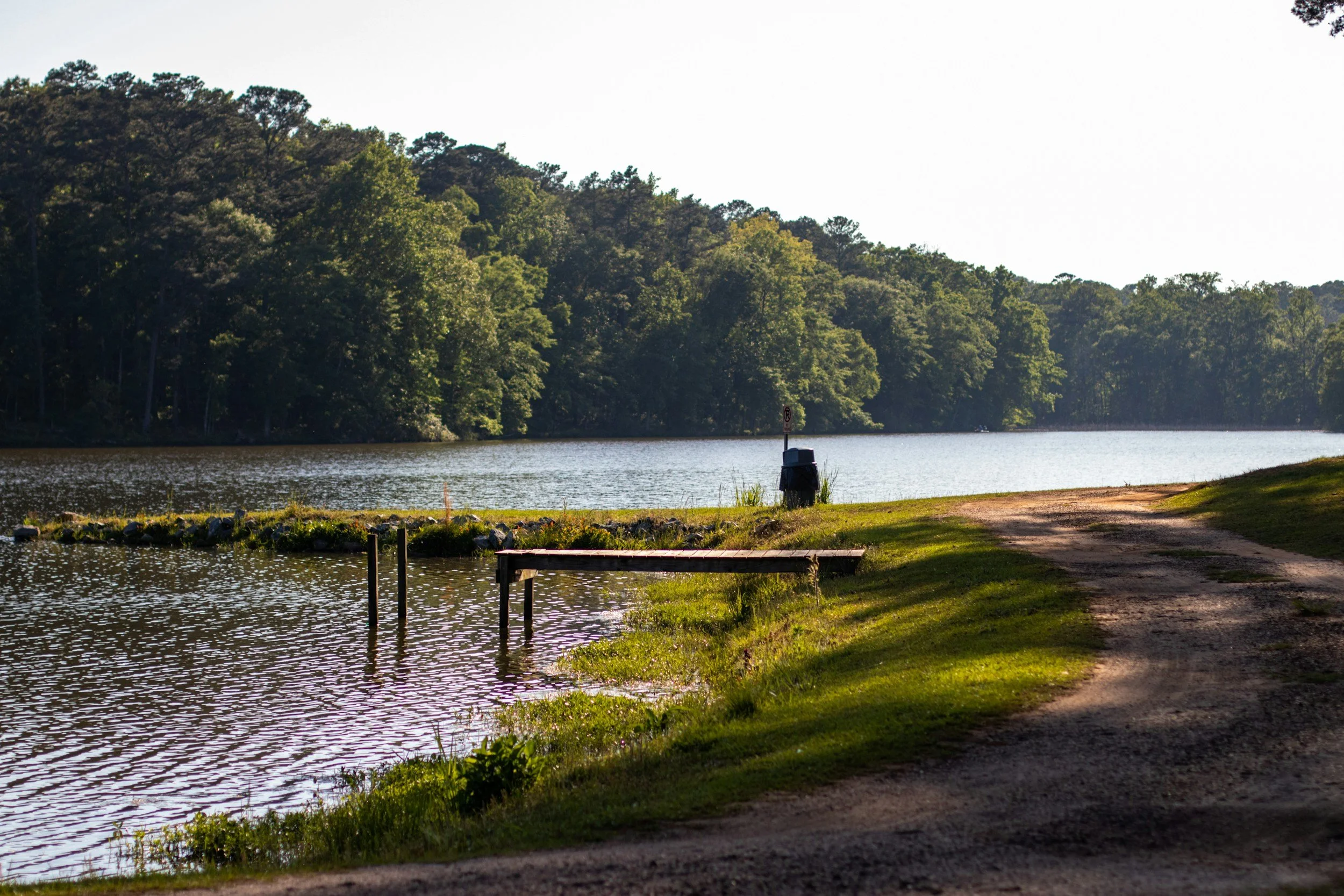
I do not remember the name of the first child, buck-toothed, big-eyed, who called me an Oreo—a racial slur meaning someone who is black on the outside; white on the inside. I do not remember the name of the second, either. I remember sticky summers in blistering Birmingham, Alabama, legs itching from the long, prickly grass and perpetual mosquito bites. I remember waiting for night fall, the symphonious synth-sounds of crickets, the steady flicker of lightning bugs. I remember sitting on the crumbling porch of Bunk’s house, alone. Distanced from cousins whose Bama dialect compelled them a unique kind of elide, swallowing the sharp point of R’s, so when they said (speaking of me) She talks like a white girl, it came out sounding like gull. I remember biting back tears, picturing myself; head of a girl, body of a seagull, grey wings flapping, soaring above the stifling Hooper City ghetto with its collection of shotgun houses in various stages of dilapidation, far, far away to AnywhereButHere, anywhere the colour of my skin wouldn’t define me.
In the Dalmatian hinterland village where I was born, there was no word for "fun." There were words for work. For bread. For grit. For silence. There were even words for hunger and sorrow. But not for joy without purpose.

Losing my mother to Alzheimer’s disease feels like my teeth are being yanked out slowly, painfully, one by one. Our favorite things to do together wither away along with her brain cells. I try to cook with her, but her culinary skills have dwindled to putting the pickled beets on a relish tray.
I was 36 and feeling perfectly fine about my post-baby body the first time a saleslady suggested I invest in Spanx.

I was driving to an appointment with my periodontist when I glanced down at the gas gauge and discovered the tank was almost empty. I panicked. As a newcomer to driving, I had zero idea how to “gas up.” Just learning how to go down the road without killing myself or someone else was in itself a major accomplishment.
There is a feeling I get when I travel alone. The moment I get to my destination—a hotel or Airbnb—when I walk in the room, roll my suitcase into a corner, and close the door, it hits me. I am hopeful on every trip that I won’t feel it this time, but I always do. My chest and stomach get tight. I can’t catch a full breath. There is a sense of dread and impending doom. And emptiness so loud one might think it is the thing I’ve come to visit. As if it lives right there in that room and has been waiting for me since the last time we saw each other.

I should have heard the warning growl before pulling open the dresser drawer in the garage. It had been twenty years since my husband and I had done any cleaning out here beyond superficial tidying. We’d plunked down his scratched childhood dresser in the garage when we first bought the house. Since there wasn’t enough room for the old dresser inside our new home, it never traveled any farther. The top of the dresser became a landing station for stray gardening tools, rafts of paper towels, and a box of Hannukah decorations.

Before she died, Nancy compiled a list of appropriate women she thought could be a good partner for me, which I told her was ridiculous. I was doing everything I could to keep her alive, nor did I like the women she had chosen for me. I had loved her for twenty-seven years. She would never be replaceable. My everything wasn’t enough; all I had of Nancy were her ashes. At sixty-one, I had vaulted into old age overnight, with grey roots grown inches during Nancy’s last months of hospice. I was the solo parent of two grieving teenage daughters, one who was depressed, the other defiant. My eros was exhausted, maybe dead even. But Nancy was not five months into her grave when I hooked up with Tami.
I left on a clear October Monday. Seated at the bulkhead, my elbow rested next to a man who asked if I was going to Chicago for business. I lied, nodding my head yes. Ambivalence prevented me from updating my second-generation iPod earlier in the day, leaving Missy Elliott and Usher to comfort me. A leathery skinned smoker picked me up at baggage claim. She drove me forty-five minutes to our rural destination while I imagined what happens when car doors open and bodies land on I-55 at seventy-five miles per hour.

I’ve always been a good patient—keep my jaw open even when it aches for the dentist, never flinch from the needle of a vaccine, and have thick, easy-to-find veins for blood draws. Maybe I learned it in high school on the soccer field; complain, and be benched. Maybe I carried it in my DNA, passed down from stoic Norwegian farmers; suffering is inevitable, better to keep your mouth shut and your eyes towards God.
My mother remembers one less, but I remember seven. Seven places I called home outside of Nanny’s trailer. Each move had its own life and timeline complete with characters and climate, seemingly separate from the world happening at Nanny’s. Seven times I packed my “101 Dalmatians” suitcase and cardboard boxes of pictures. I gained a little more makeup for each move: a new sheen lip gloss, glitter nail polish with chunky stars, Hot Topic eyeshadow, the limited edition Gerard Way palette that glowed bright red. Puberty marked by moves.
My cellmate at the correctional center that I had been transferred to six weeks after the guilty verdict, or cellie as we called them, was trying to teach me how to survive my final transfer—prison. Lucky for me. She claimed to have spent four years there. But this time she was only going to empty instant espresso packets down her throat and pace around the tiny box with her swishing Rapunzel hair in jail instead of prison.
The city lights blurred as I drove to the hospital. Mt. Spokane sat on the horizon, its slopes and lifts hidden in darkness, a silent witness to my brother’s sudden fall. Hours earlier, he'd grabbed his snowboard and driven to the top. Now, he lay braced and broken.
Part of me rehearsed the what-ifs, ran scripts about what could have been. I pushed these thoughts away, wiping the blur from my eyes. I couldn't create a second emergency. But few drivers were out, streets icy from a fresh storm.
All of them had been so sudden. Death. Now you see them, now you don’t. That was my experience of the deceased, the ones closest to me. Mother, father, sister, brother, brother. With you through their time on earth, then gone in a flash. Departing like lightning.
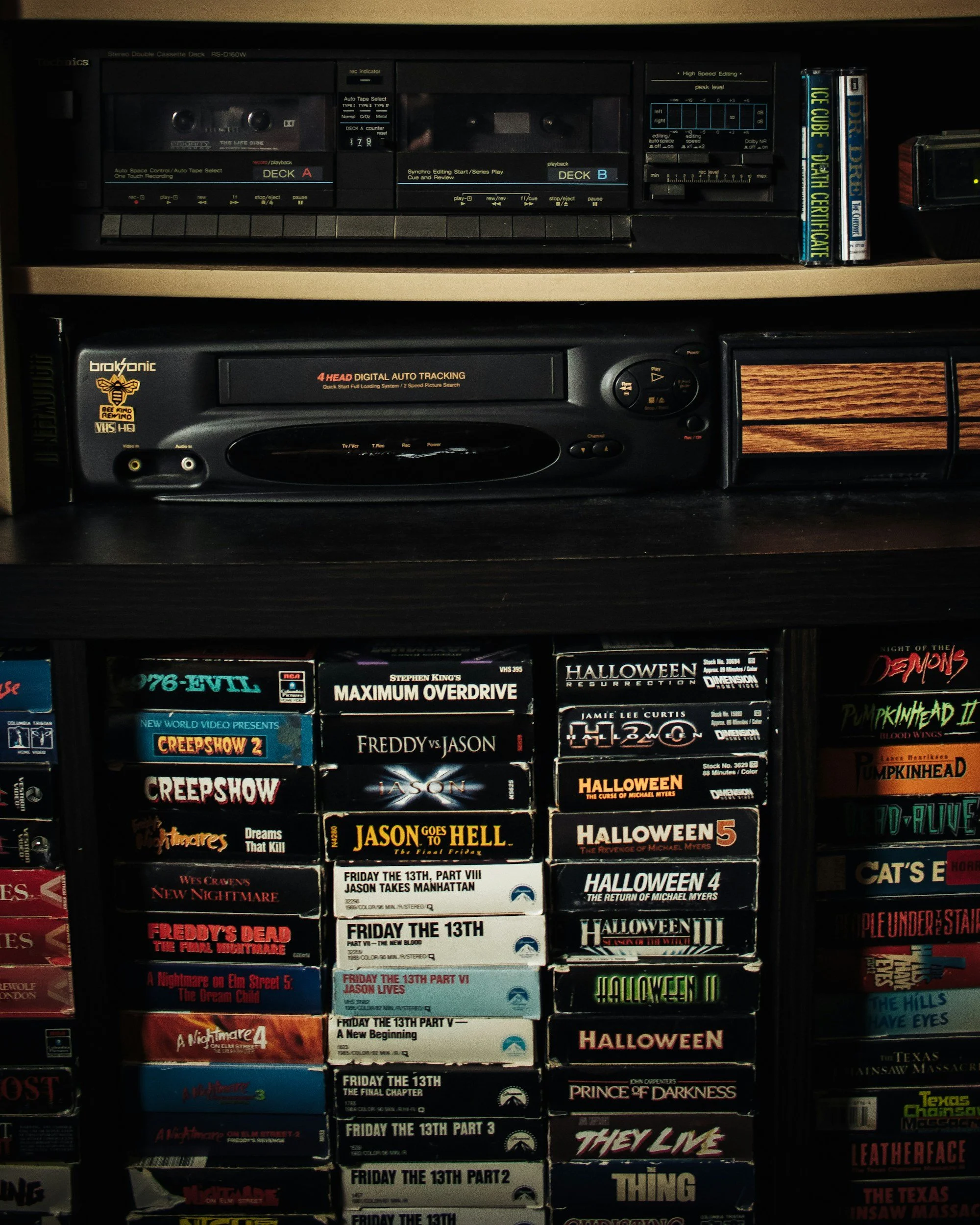
On my thirteenth Halloween I stayed over at my dad’s apartment on the other side of town, and for hours, well into the morning, we watched a live taping of a paranormal investigation on the Discovery Channel. The host was blond and the psychic had an earring and they were somewhere historic in the UK. The night-vision camera gave the TV an eerie green glow, the blond host had big eyes like a doll; we were rapt with attention. There were sightings of children who’d passed and mothers in cloaks and fathers who walked about in suits. Tapping and knocking and tiny objects making incremental movements. Orbs abound. EVP recordings.

Mary Catherine was sixteen when she was diagnosed with liver cancer and barely twenty-one when she died. I traveled to the depths of despair after she was gone. I found my way back by convincing myself I’d never have to return.
I was wrong.
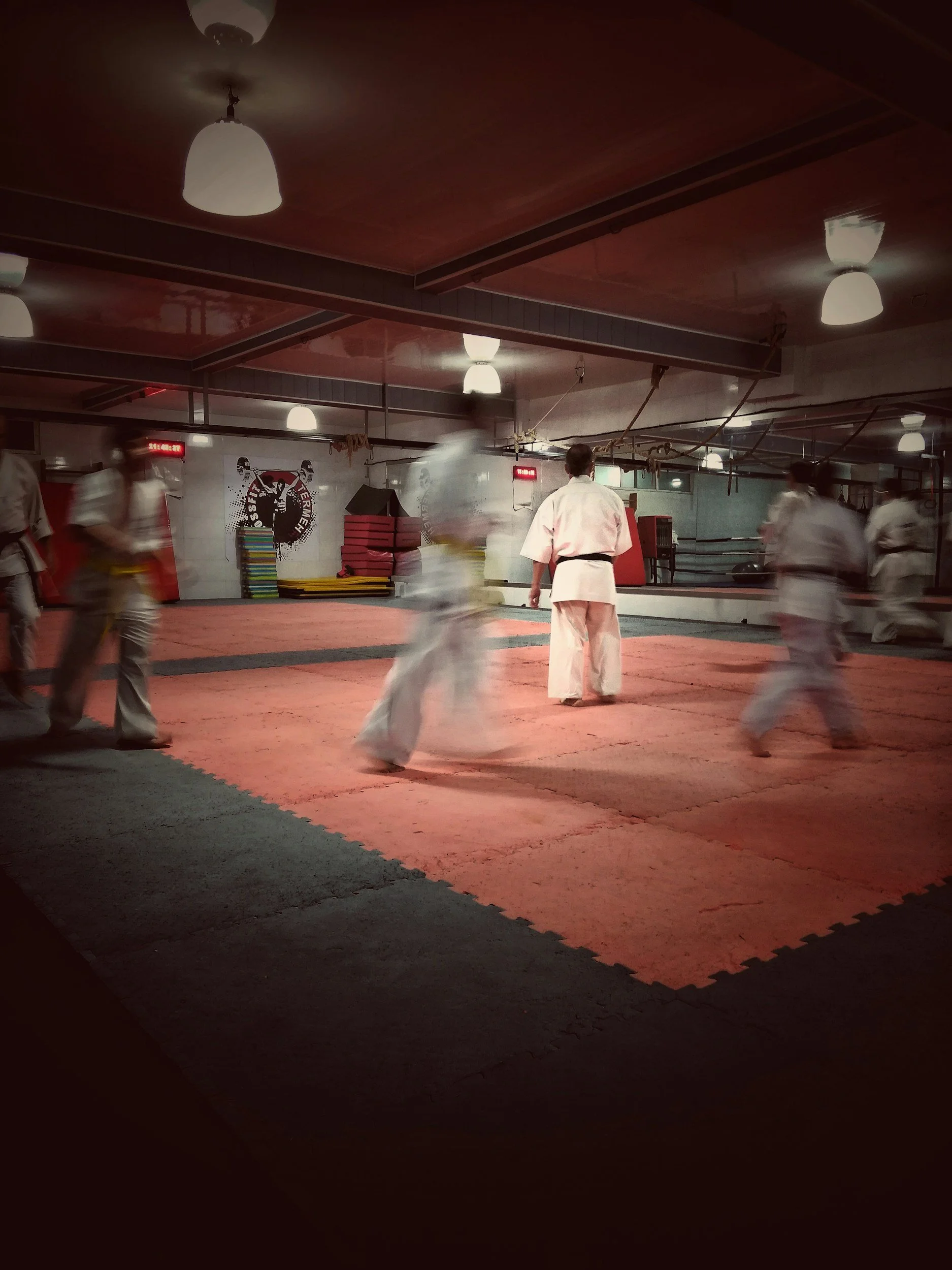
Looking through the gallery of the dojang I take a seat and fixed my eyes on my son. Justin bowed and stepped onto the mat. He had perfected his poomsae and was nervously excited to complete his belt test in hopes of being promoted from a yellow to orange belt after months of practice. Proud parents flowed into the room in anticipation of the event. A tide of chatter rose above a sea of phones that was primed to capture each child’s accomplishment.

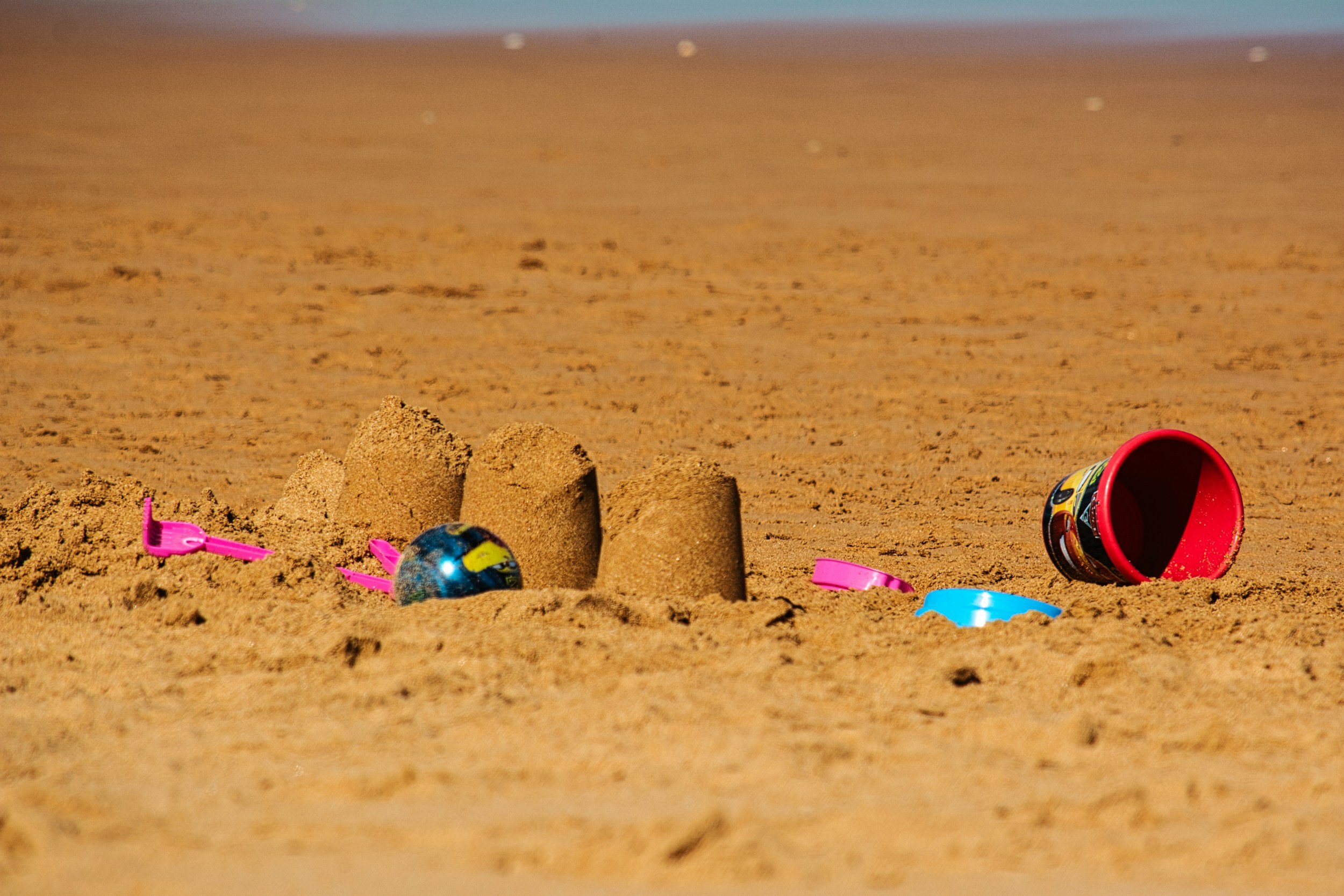
Her name was “Roxy” and she was the coolest person I’d ever met.
“Do you like Zach or Cody better?” She asked me while digging a piece of driftwood into compacted sand. The twig split apart in her small hands, and she proceeded as if it hadn’t, just to spite it.
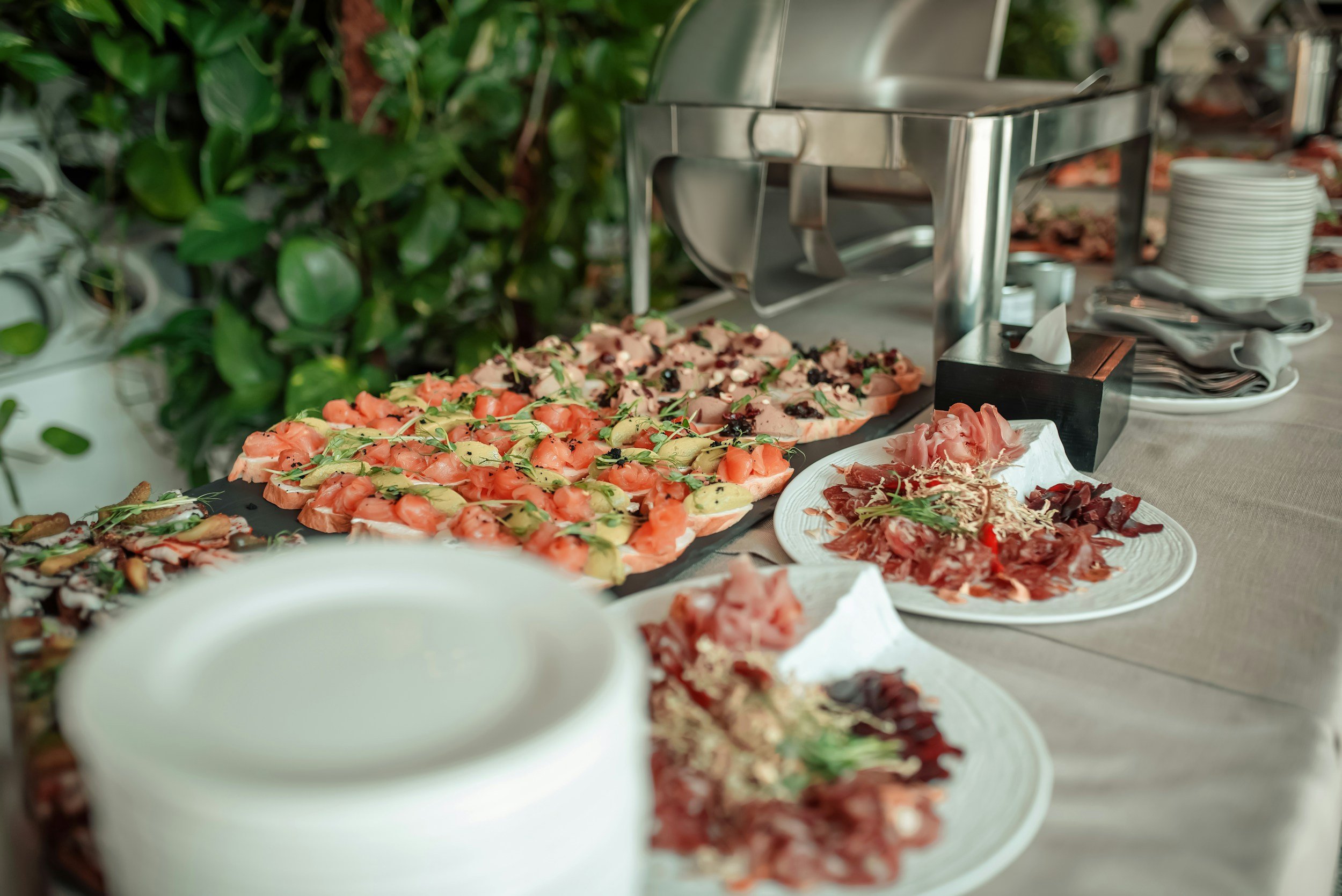
“If this doesn’t get better, I may have to cater Christmas.”
The words hung in the air like the smell that affixes to your hair when you’ve been frying chicken cutlets over the stove in anticipation of the holiday. My Italian American ears burned. Christmas was Christmas. The women planned menus, stood in long lines at Waldbaum’s, the Italian salumeria, the bakery. The men drifted between courses in various states of uprightness and sleep while the women - elbow deep in sudsy water - tried to figure out who forgot to stir the sauce, causing it to stick to the bottom of the pot.
To the boy I never loved,
You walked over, reached in my car, and shook my hand. Then it was over. The last time I saw you.
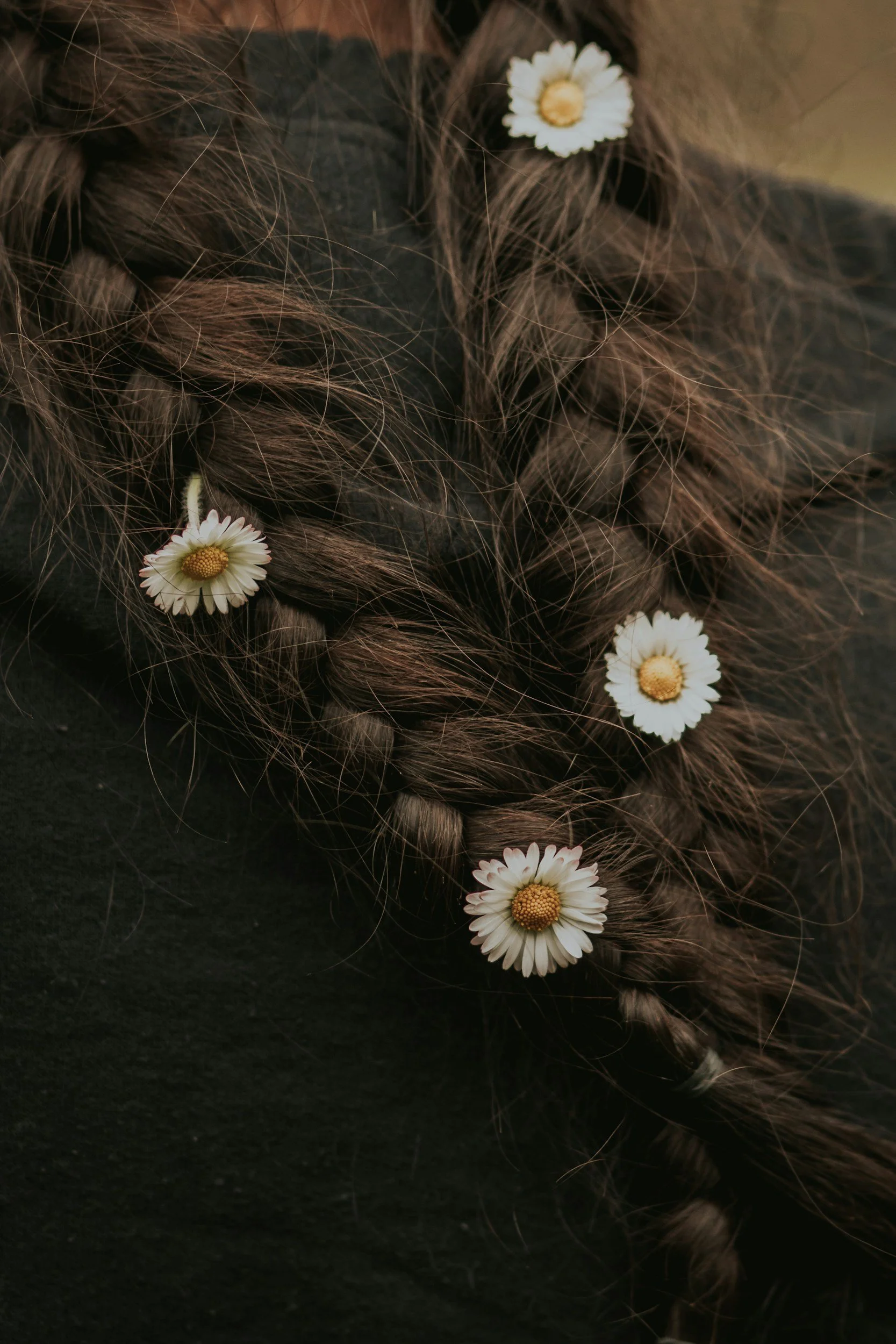
My grandmother, Nana, taught me how to braid. She pulled me up to the circular dining table as I held on to my stuffed animal, placing him into a chair next to me. I watched Nana focus as she cut three pieces of green yarn, fern green yarn. The strings were a modest length, but to a six-year-old, they looked like my height. As she taped the three strings to the table, she explained the art of braiding.
When I was small, the line where the grain fields met the sky through my bedroom window was the edge of the world. I stood on my tiptoes at that window, little fingers pressed hard into the scarred wood of the sill, nose pressed to the window screen that smelled of thunderstorm and dirt.

The slumbering house cradles the echo of your footsteps as you wander its sleepy halls. Sleep should have come for you hours ago, but your anticipation has successfully warded off any chances. The contractions come so lightly and irregular that you wonder if it’s even labor. Perhaps it is the Braxton-Hicks you read about.
The NICU carried a low, steady hum that seemed to live inside the walls. Machines breathed in rhythm. Monitors blinked in soft pulses. My daughter, Charlie, lay beneath a warmer that cast a pale glow across her skin. She was six weeks early and small enough for my hands to meet around her torso.

I am a mother and a daughter. But I was not mothered—at least not in any traditional sense. Five months after they met, my parents were married: She’d just turned twenty-one; he was six months younger. They bought a house with red stairs, a half-block from the beach in Santa Monica. Five years later, in 1970, they had me. But in March 1973 my mother divorced my father, and a few months later, she called to tell him that she was leaving me at her parents’ house in Berkeley. The next day, my maternal grandmother met my father at the Oakland airport with me in her arms. My mother cut off all communication with her family and friends.

I found out I was pregnant at three in the morning after the Spring Equinox Witches’ Market. Spring still felt very far away, I was still in my big Canadian coat, still wearing rubber gloves under my winter cycling gloves to break the wind, which the man in the Leith Walk bike shop taught me to do. Before I accepted the new job in Edinburgh, my husband and I talked endlessly about the weather. Was it really as bad as we imagined? Could we really live up there?
Four days after the passing of my father-in-law, my wife and I welcomed our foster son. He came to us at five months old, barely sitting up on his own, and deliciously full of baby rolls. Twenty months later, he left our home and went to live with his biological mother for the first time in his life. We were parents for almost two years, but that title was taken from us.
Not all transitions come with clarity.
Some arrive as quiet unraveling.
The day he left for graduate school, the air in the house felt different.
Not heavy. Not sad. Just…suspended. Like everything was still waiting for something to happen, even though it already had.
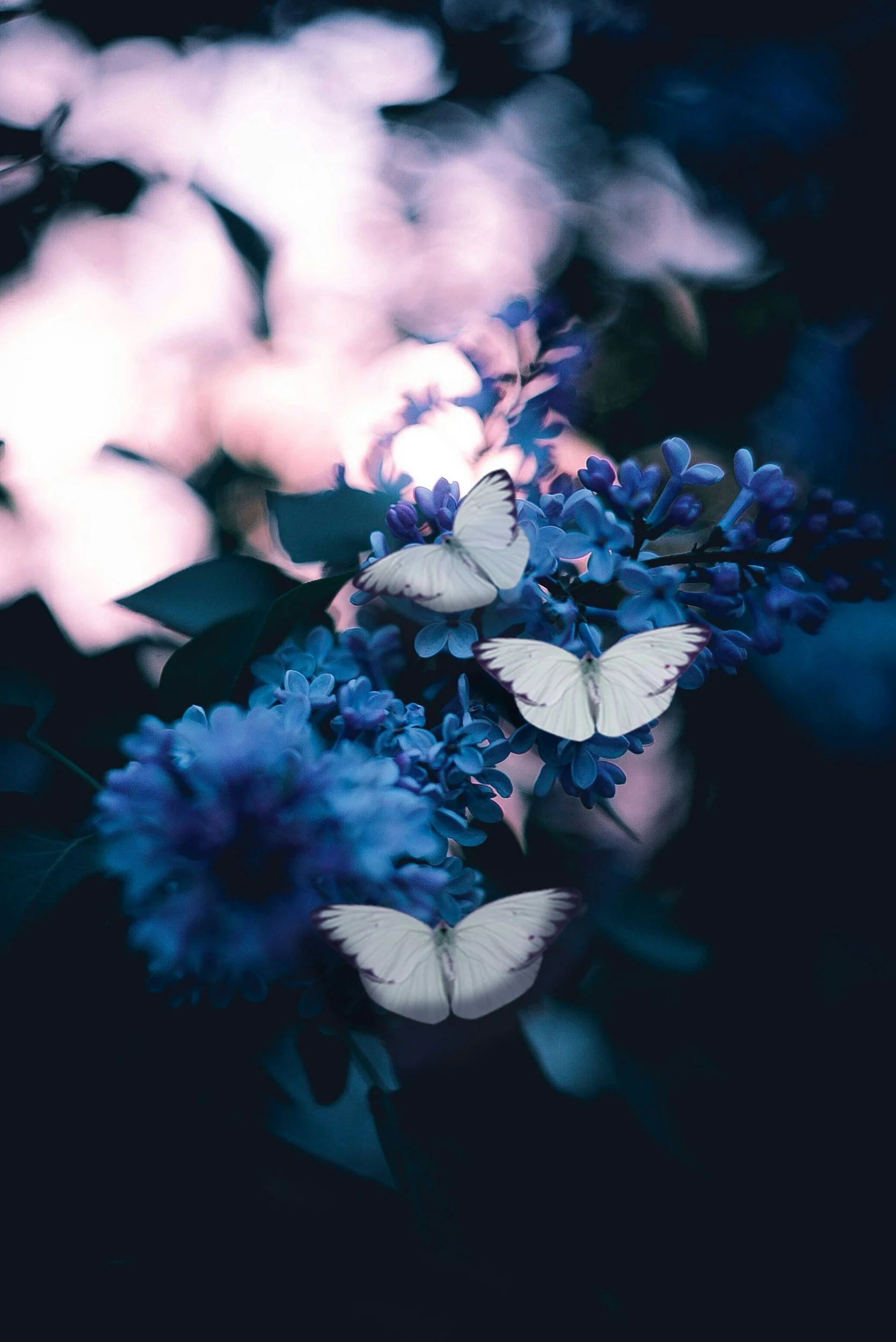
I wonder about the metamorphosis of a butterfly as it is stored away in cocoon-darkness until its evolution is complete, and it begins to fly brilliantly.
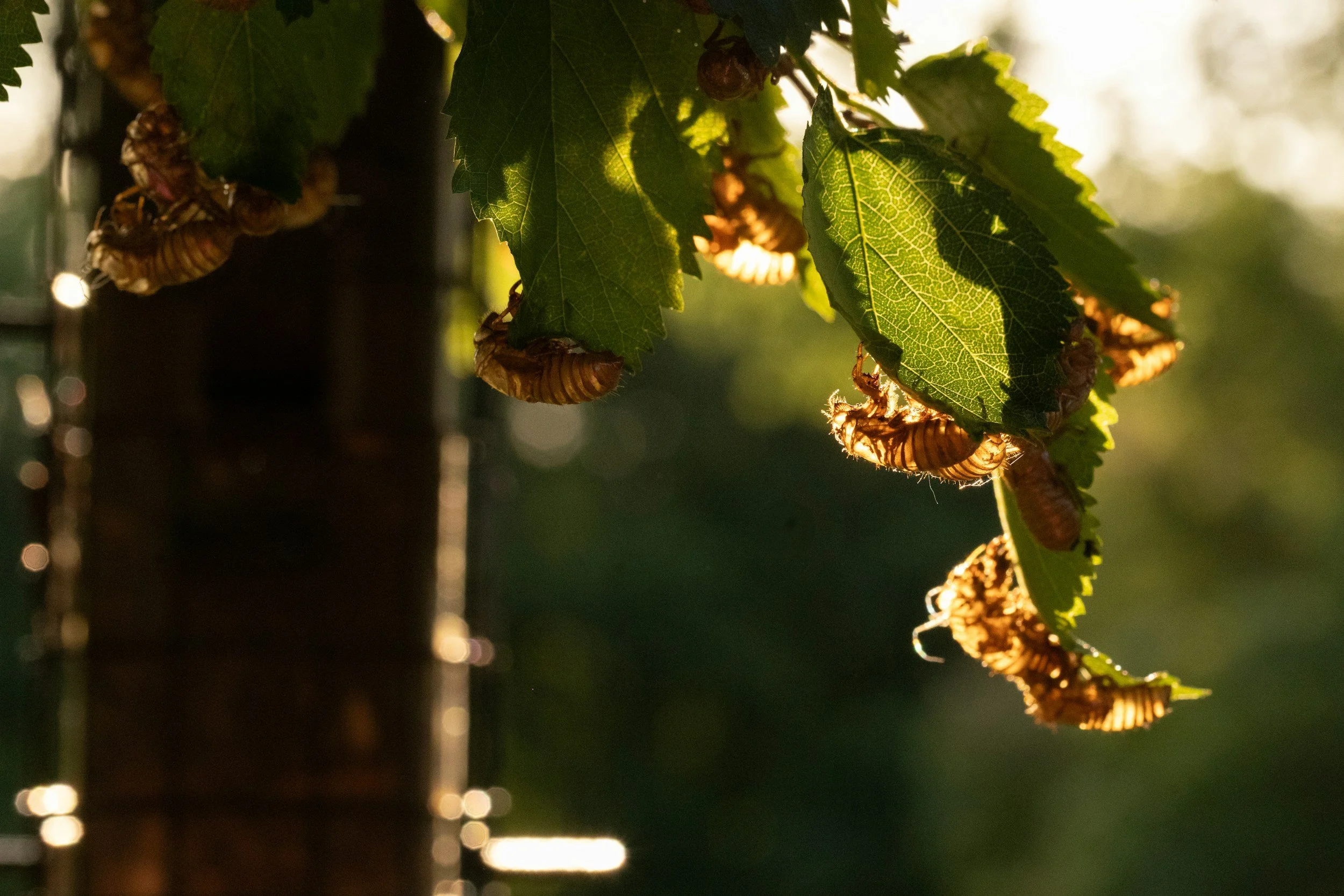
The cicadas are here again, hanging from branches, clinging to the crimson tips of sunlight that tendril forth from deep green canopies. Like ghosts, they leave their bodies behind.
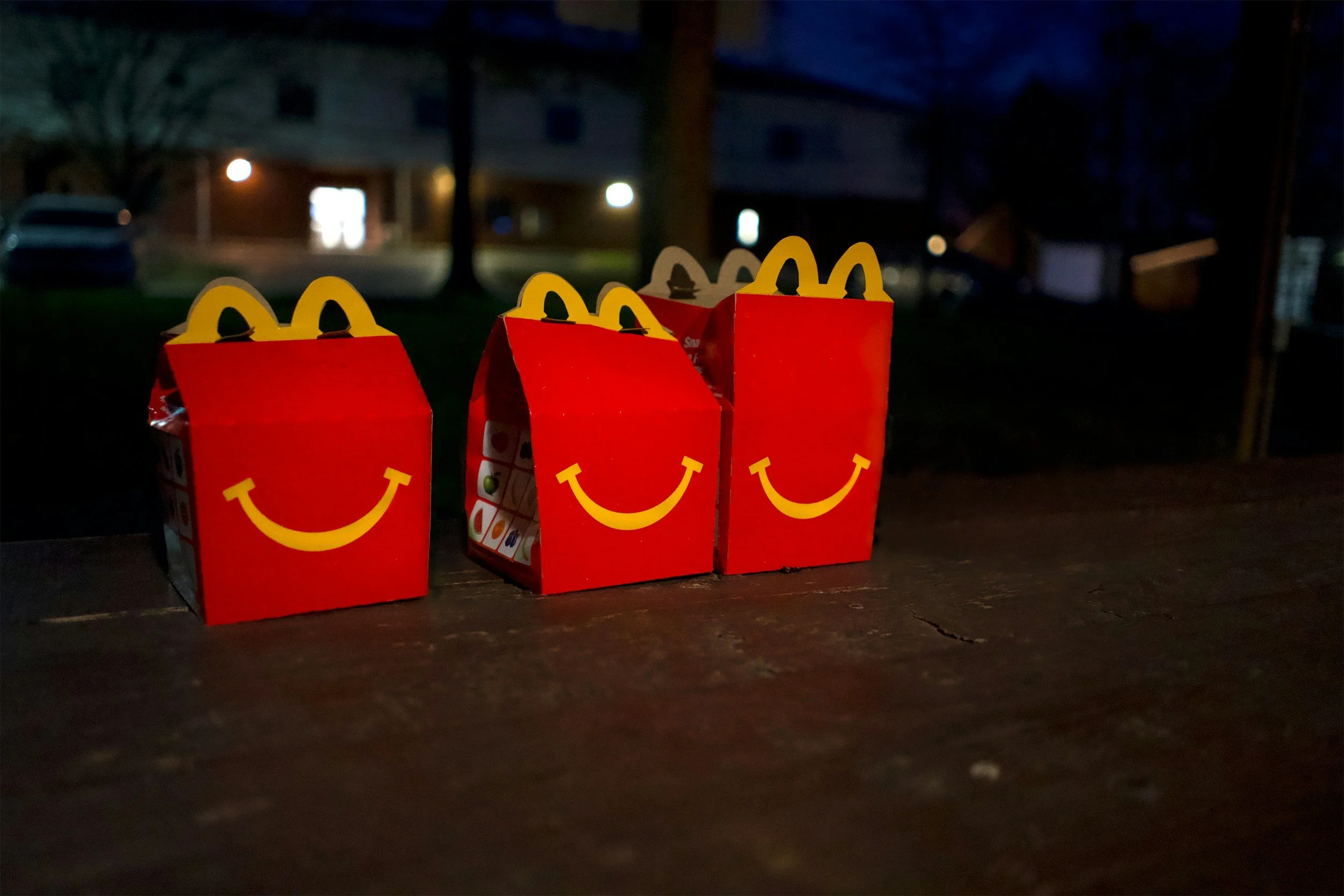
The first time I saw a circus, I was fascinated by the clowns. They roared into the ring in a tiny car then jumped out one after another after another, falling over each other and leaping up to perform juggling and feats of magic. One white-faced clown in a top hat came up to me and pulled a coin from my ear. That did it. I told my mom I was going to run off with them and become a clown. But, the next day, when we drove past the lot where the circus had been, I saw my dream had been betrayed. They were gone.
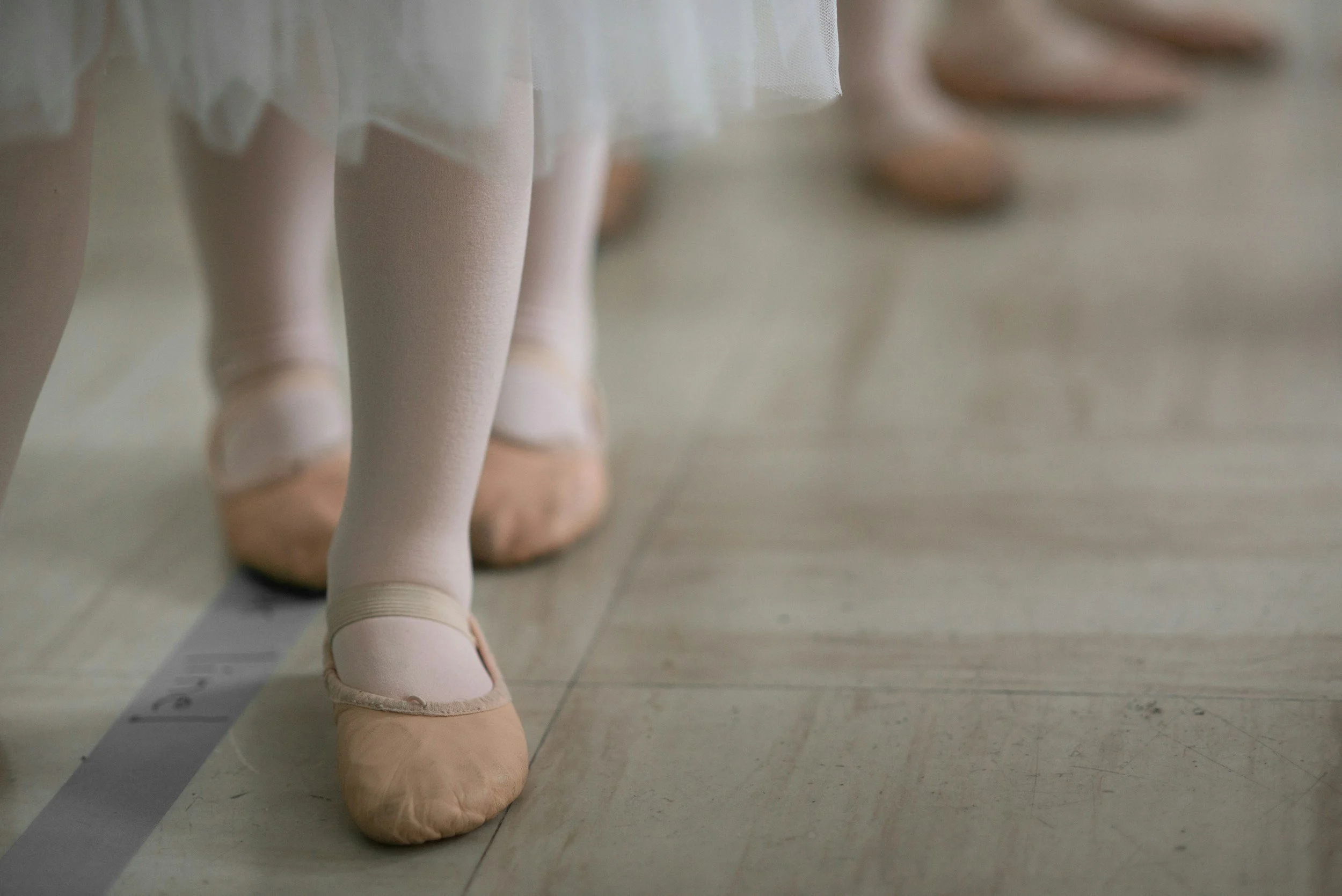
My nose crinkled as I opened the door to the dance studio. A mixture of stale sweat, stinky feet, and vanilla body spray mingled to create this unique scent. Blindfold me, tell me to take a whiff, and I would know exactly where I was. It was the first time in months since I had stepped inside.
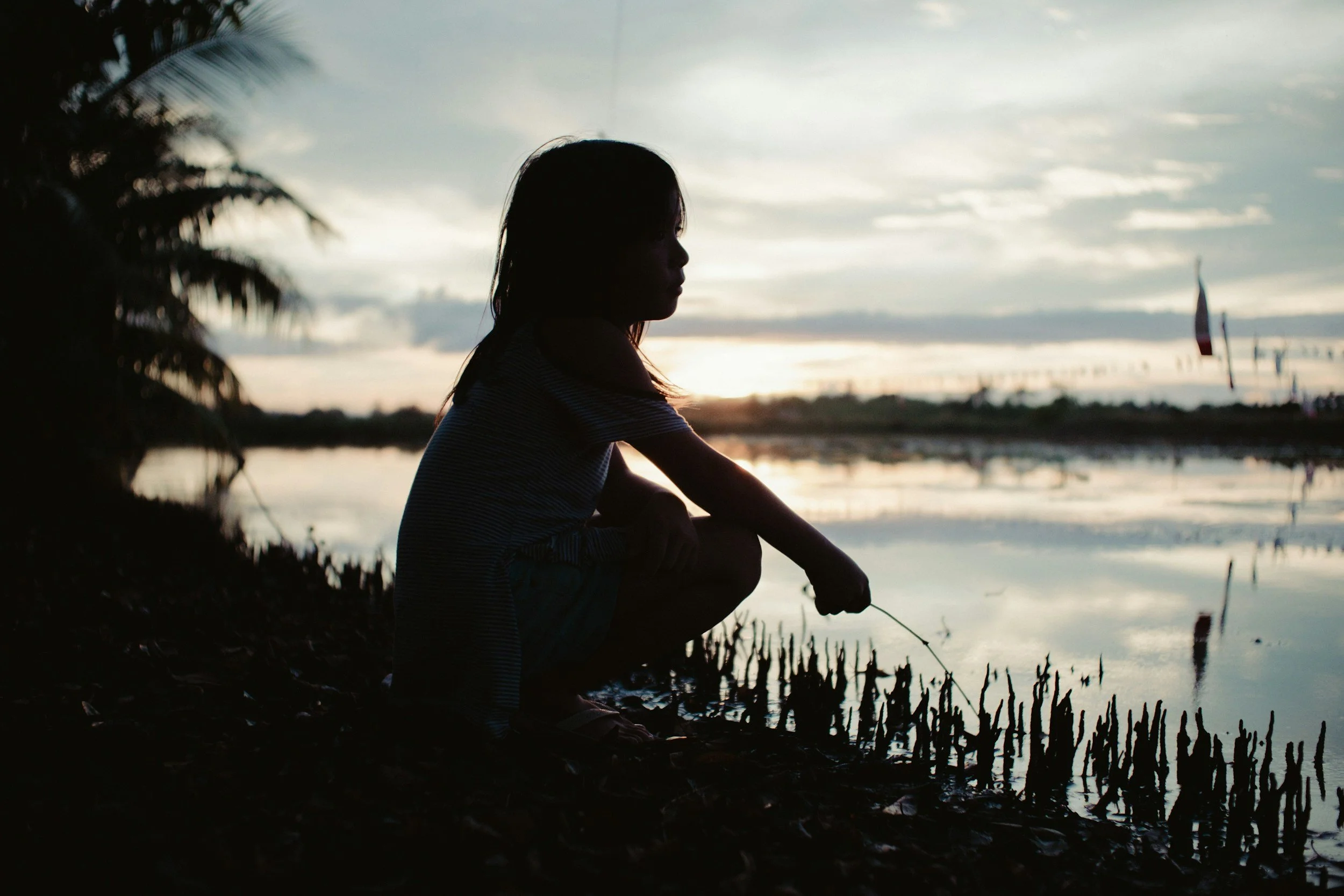
There is a cabin in the woods of Nisswa, Minnesota that smells like lake water and wet dog. The odor seeps into everything it touches: the well-worn carpet, littered with stray crumbs; the padded porch swing, streaked with dog hair; the tiny hand towels, damp and limp in the narrow kitchen and miniature bathroom. Held together by faded yellow siding and cobweb-covered windows, the stooped building hovers above Lake Hubert, where every August six families gather for three days of outdoors, heavy carbs, and shared identity.

“Okay, I’m going to lift up your breast and place it here,” the technician announces, firmly lifting up what remains of my poor right breast – having endured two lumpectomies and radiation - and stretching it over the arm of the mammography machine. She cranks the machine – bzzz, bzzz, bzzz - and it compresses my breast, flattening it. I close my eyes, refusing to look at my poor stretched and smashed breast. It hurts. I wince. She doesn’t seem to notice.

In her final Amplify, both of the year 2022 and on HerStry, Joycelyn sits down with the original Amplify columnist Ashlee Zillmer. They discuss Amplify, amazing womxn, and more!
Welcome to our second-to-last piece of Amplify of the year and our final Amplify InBetween for 2022! We hope you enjoyed learning about the fantastic womxn we shared this year. To end the year, we’re doing something a little different. By now, everyone’s a little burnt out for the year, so instead of an entire article, we decided to switch it up. This piece will give you some resources and recommendations, a short article on a womxn you should know, and what’s to come from Amplify in the future.
Welcome to the final edition of the Amplify series: Shapers of a Movement. In this edition of Shapers of a Movement, we’ll meet #MovementShaper Vi Subversa, a radical feminist punk musician from the United Kingdom.
Welcome to the September edition of the Amplify series: Shapers of a Movement. In the second to last edition of Shapers of a Movement, we’ll meet #MovementShaper Dorothy Stopford Price, an Irish doctor who introduced the BCG vaccination to Ireland.

Welcome to the August edition of the Amplify series: Shapers of a Movement. In this edition, we decided to do something different. We decided to talk to someone actively organizing to improve their community. What did we talk about? Well, the impact women of color and nonbinary folx have in organizing movements, and how they create spaces, fight to enact better policies for the community at large, and continue to fight and manage in an area that is often dominated by cisgender, white, and male people.

Women have been organizing, striking, and protesting since the dawn of time. Join us as we explore the many brave women who have started a movement in order to fight for change.
This summer we're taking on a journey, sharing the amazing stories of women who shaped a movement. From organizing to liberation: The ones who started it all and continue to innovate and bring awareness to issues.
In this Amplify InBetween, we will share about three Asian American and Pacific Islander amplifiers who made, and continue to make, an impact on the lives of others, and how their influence has positively impacted the way we view activism, art, and storytelling.
April is about new beginnings. Our theme for this month, Breasts, can be a touchy subject. Our Amplify has chosen to talk about the untold struggles and triumphs of Activist, Feminist, and poet Pat Parker, a woman who made it her life mission to enhance the lives of those in her community, embrace her identity, and foster self-love.
Maya Angelou once said, “The ache for home lives in all of us, the safe place where we can go as we are and not be questioned.”
It’s true; home is supposed to be a safe space where you feel that love and warmth. Home is a place to go when you lose your way. But what happens when your home becomes a battlefield? Or what if the people of your homeland are the ones committing the atrocities? Will you choose to fight, to protect your home or expose an injustice, even at the cost of your life and livelihood?
Sex workers have been at the forefront of abolitionist movements for centuries. Many have spent their lives fighting to be seen, heard, and taken seriously. As a collective, sex workers continue to fight against the church, politicians, police, and a society that doesn’t value them or their work. It’s no surprise that the event that marked the beginning of the modern sex workers movement happened while occupying a church—the Holy Cross Church, to be exact.
HerStry’s monthly theme for January, “The Rest of The Story,” connects with our Amplify of the Month. Learn about the extraordinary life of Anna Julia Cooper, a famous scholar in social science circles, also known as “the Mother of Black Feminism.” Check out how she spent her life advocating for equal education for Black women, and how she changed the course of history and HerStry.
Welcome to Amplify InBetween, where you give you samples with a bit of herstory and a little bit of fun. In our final Amplify piece for 2021, we will look at the first Amplifiers in their class. These ladies were the first to fly, teach, create, disrupt, bring new perspectives and innovation, and inspire generations.
Do you believe your words have the power to move and heal a community?
In our last WarriHERS piece, we’ll meet a warrior who used her words to address the horrors of war and bondage, and who advocated for equality. This WarriHer was a crusader for the people; she spoke up against institutional racism and helped communities express their traumas and heal through words. As a poet, she wrote about issues affecting marginalized communities around the world, not only inspiring others to share their stories, but also healing from the battles she fought throughout her youth.
Welcome to Amplify InBetween, where you give you samples with a bit of herstory and a little bit of fun.
In this Amplify InBetween WarriHER Edition, we give you facts and resources, and answer the question of what makes a warriHER. Can you be a revolutionary warriHER off the battlefield?
Have you ever thought about how great it would be if specific historical figures had met, how they’d probably have been best friends or allies if they had lived in the same country or time? Or maybe you have a list of historical figures who had the same background or goal, and you thought it would be great if you could just put them in a room together and talk with them about saving the world? No? Maybe that’s just me.
Learn about the Revolutionary WarriHERS the Trưng sisters and Laskarina Bouboulina in this edition of Amplify!
Announcement: Hello! Welcome to the first Amplify InBetween post! What is an InBetween post? It’s a post where we share multiple posts or people at once, in between our main stories.
Since the Revolutionary WarriHERs series is from July to October, we realized we couldn’t share all the Revolutionary WarriHER women that we want; so, we decided to write an InBetween post and share a list of four Revolutionary WarriHERs you should know.
Have you ever heard the story of the lead strategist and propaganda creator who helped lead an uprising against colonizers in Peru in the late 1700s? Who united multiethnic groups in the name of freedom and resistance against tyranny? She recruited not only Indians, but also mestizos, Blacks, Creoles, and “good” Spaniards, something unheard of in eighteenth-century Peru. Famously known as the wife of rebel leader Túpac Amaru II, Micaela Bastidas Puyucahua was second-in-command of the most significant uprising in Spanish colonial history.
When I was young, I used to pretend to be Xena, the Warrior Princess. I would wear my mother’s leather jacket, grab the removable stove ring, and run around the apartment screaming Xena-esque dialogue. After ten minutes, my mother would tell me to stop and read a book. Instead of reading, I’d become the great Maa Yaa Asantewaa. She was the queen mother of Ejisu in the Ashanti Empire (modern-day Ghana); she led her people into battle with the British in 1900.
The great socialist, feminist, and community activist Grace Lee Boggs once said, “You cannot change any society unless you take responsibility for it, unless you see yourself as belonging to it and responsible for changing it.”
What’s your ideal camping trip? Does it involve about 250 of your closest girlfriends, some in witch's costumes and military gear? What about a 36-woman-human chain surrounding an army base, a couple of arrests, fights with the UK government and police, and disarming nuclear missiles? If your answer is yes, you'd fit in with the Women of Greenham Common Camp.
What happens when an anarcha-feminist creates an organization, or even two, in the middle of the Spanish civil war? You get a movement of 30,000 members fighting for women’s liberation, with some working-class empowerment thrown in! Breaking tradition, demanding independence and freedom from the patriarchy, and fighting for equality, is what Soledad Estorach was all about.
This month’s AMPLIFY is about the Lavender Menace action during the second wave of the feminism movement in the 1970s. The Lesbian members felt, or rather they were excluded from many of the feminist movement activities. They started the Lavender Menace action and fought for their voices to be heard. They made sure they were heard as well not only their issues but the issues of the WOC and lower SES women issues.
This month’s AMPLIFY features Dr. Sigird Phyllis Stearner, a scientist who revolutionized not just the field of radiation biology, but science’s relationship with disability inclusivity.
This month’s AMPLIFY features six Black women in 1881 that suffered from injustice, wage theft and opression, who came together to fight against it all. They formed The Women of the Atlanta Washerwomen Coalition and conducted a two week-strike that transformed American employer/consumer behavior.
This month’s AMPLIFY features scholar and social justice and reproductive justice advocate/activist Dorothy Roberts. Dorothy Roberts is a Critical Race Sociologist, and the 14th Penn Integrates Knowledge Professor with joint appointments in the Departments of Africana Studies and Sociology and Law School at the University of Pennsylvania. Her studies and work focus on the intersection of race, gender, and socioeconomic status through a policy lens.
Reiko Okuyama was born in Japan c.1936. As a child, she developed an interest in drawing while being confined to her bed due to an ongoing childhood illness. Okuyama entered the world of animation by accident. She applied for what she believed was a designer position for children’s books at Toei Doga (doga meaning picture book) but ended up in the animation department.
Hello sweet HerStry babes! How are we doing? Holding up? Holed in? I hope you are all protecting yourselves the best you can and taking care of your heads and hearts. As you may have noticed, there was no March Amplify and we’re picking up in April. If you’re a frequent reader of Amplify, you know I’m no stranger to skipping a month here and there when it comes to the column, but usually I do this with a great amount of guilt. This time, though, I offered myself a bit of grace because we are all, collectively, living through a pandemic. So today, in addition to learning about Dr. Ruby Sakae Hirose, I want to remind each reader that you should always offer yourself grace.
Alright folks, I’m two for two on the year for articles, so let’s hope I keep on this positive trajectory. Thanks for meeting me back here on HerStry for the next installment of Amplify. This month, we’re talking about Winona LaDuke.
Happy New Year, HerStry Babes! This month marks the start of the third year of Amplify, a column meant to highlight different women throughout history whose names we should know, but usually don’t. Watching HerStry grow and change in the past two years has been nothing short of inspiring. I am so excited to be on board for the next year as we watch HerStry only continue to grow and to see our fearless founder, Julia, embark on her journey into motherhood.